Investments, Mega stars, int’l coaches have reshaped the beautiful game
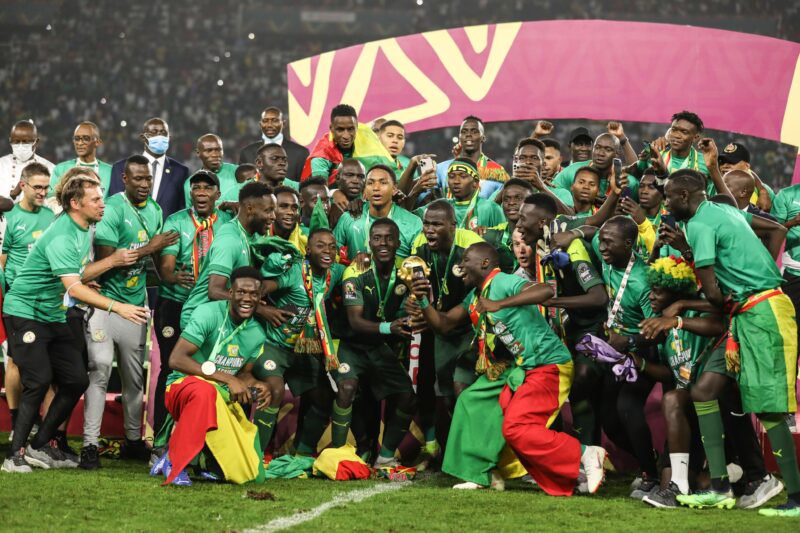
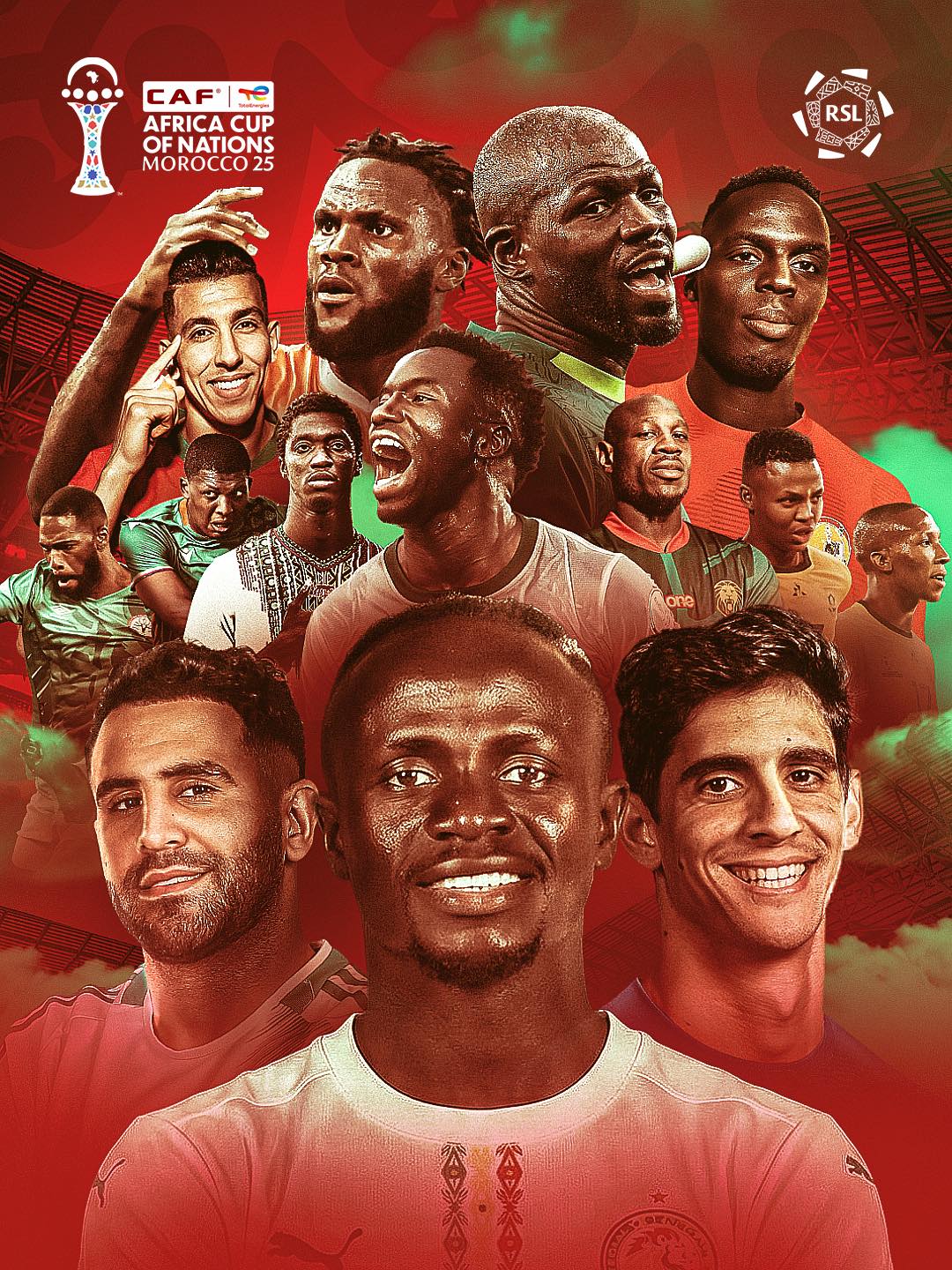
Over the last few years, football has grown in various different parts of the world, but one region in particular that has witnessed the revolution of the beautiful game is Africa. With a significant amount of recent talent coming from Africa, one cannot help but feel that this is the beginning of the rise of the beautiful game on the continent. Various African teams have also scouted world-renowned coaches, with the most notable one being former Chelsea coach Avram Grant, who coached Zambia until a few months ago. So, what exactly has contributed to the growth of the recent rise in talent from Africa? How did exposure to international coaches enable players to develop more and perform better? Let’s explore all these factors that have led to the growth of African football.
Mega stars putting Africa on the map thanks to a development of grassroots football
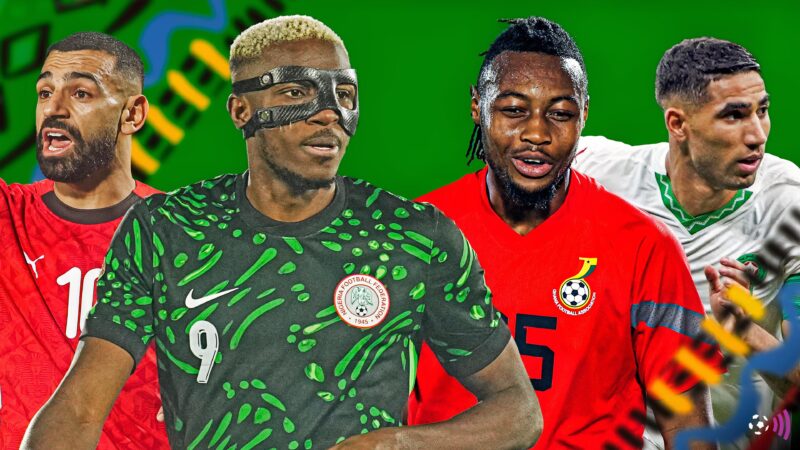
Salah, Osimhen, Hakimi, Semenyo—you name it—are some of the stars from Africa that have not only shone on the continent but are vital for their respective teams in Europe. The emergence of talent in recent years has also seen African teams have more balance throughout their squads, with teams no longer being solely centered around strikers. This has seen an increase in high-level competition between various African teams, with games now being more evenly matched and harder to call. Moreover, African teams are now more capable of beating big international teams. A recent example of this would be Senegal’s 3-1 triumph over England as well as their 4-2 triumph over Brazil in 2023 and 2024. The most notable example, though, was when the Atlas Lions defied all odds to edge past Spain and Portugal to become the first African team to reach the semifinals.
Motsepe’s investments key to CAF growth
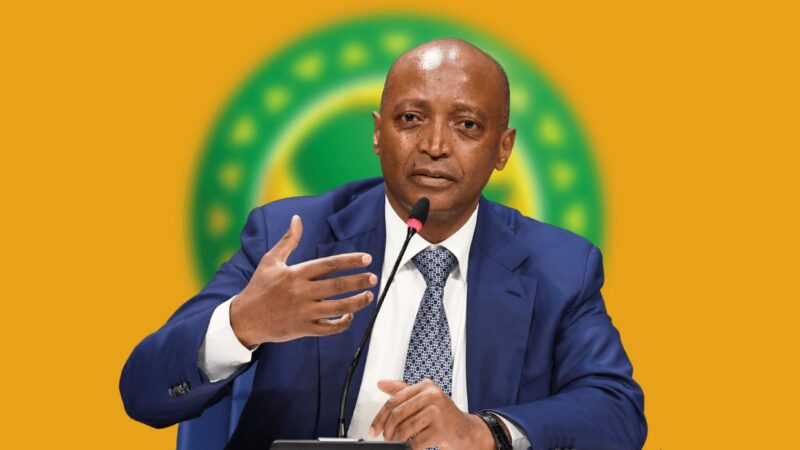
The main question that most people have and are asking themselves is: how has CAF managed to develop such immense talent in recent years? The main contributing factor to this is heavily attributed to the growth of grassroots football, which CAF has increased its investments toward, going from 200,000 annually to almost half a million annually ($400,000). Not to mention, the CAF federation has also spent a whopping $400,000,000 on various tournaments and youth football over the past few years, with Motsepe playing a key role in the effort to grow and develop African football. This has seen an increased number of emerging talented players across all teams and countries who have developed through stronger coaching, more competitive leagues, and improved facilities.
How Int’l coaches have transformed and reshaped the philosophy of African football
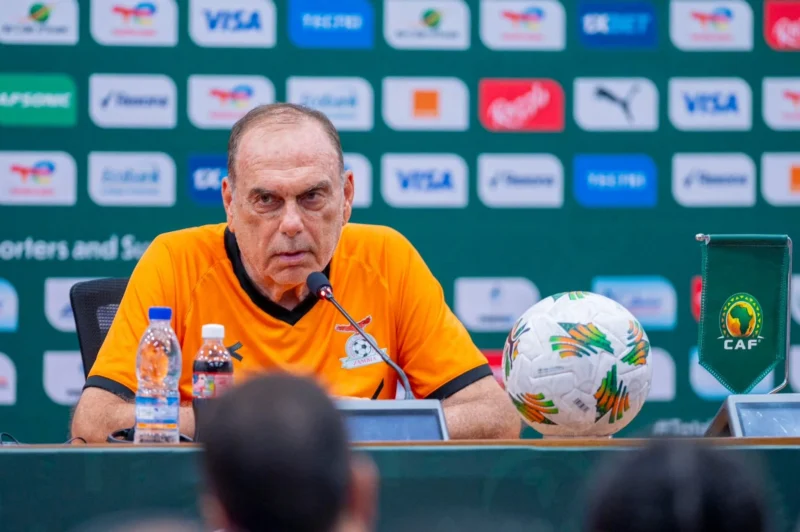
Another contributing factor has been the recruitment of international managers coaching different nations on the continent. Some of the most recent and notable names to coach African nations include former Chelsea coach Avram Grant, who recently coached Zambia; Hervé Renard, who coached Morocco during the 2018 World Cup; and most famously Clarence Seedorf, who coached Cameroon in 2019. The list of international coaches to have managed African teams goes on, but the main point to understand from this is the expertise they are bringing from the top leagues they have coached in.
How Avram Grant improved Drogba’s effectiveness and fluidity
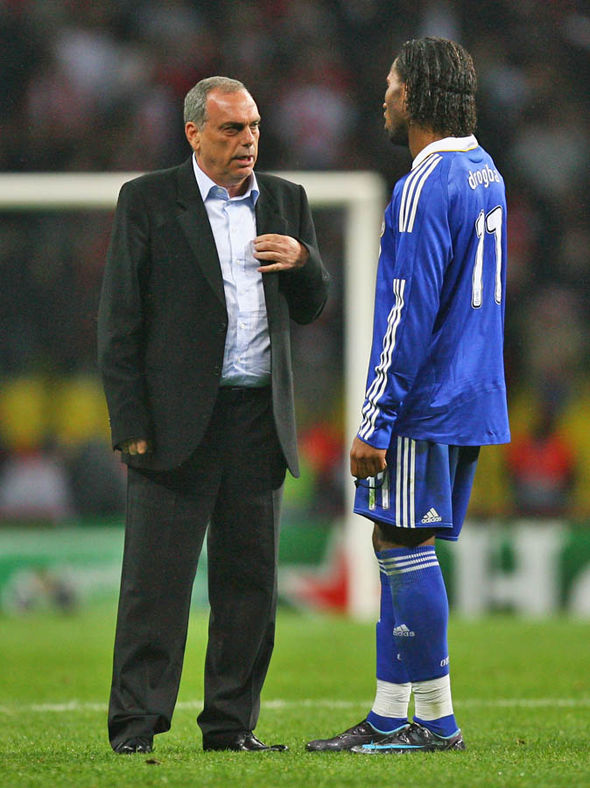
A good example of this would be Israeli coach Avram Grant, who led Chelsea to the Champions League final in 2008 and then went on to coach Zambia. Last year, I had the pleasure of sitting down and interviewing Avram Grant. One of the things that Mr. Grant mentioned that stuck out in the interview was when he stated that “Drogba was one of the best players he had ever coached,” which highlights a world-renowned manager praising the quality of one of the most elite African players of all time. During Mr. Grant’s time at Chelsea, his 4-4-2 formation saw Drogba link up with Anelka upfront, which made them unpredictable for defenses to read. This move was made with the idea of seeing Drogba morph into a more effective attacker.
How Grant’s international football philosophy guided Zambia to their first AFCON after 10 years

This move allowed Drogba to play in a less pressured role, allowing him to move from a more fixed role to one of more movement and fluidity. The Ivorian striker also famously scored the winning goal that sent Chelsea to the final in Moscow when the Blues edged Liverpool in a cagey semifinal. During that season, Mr. Grant was able to showcase his flexibility, with the Israeli manager committed to using formations that benefited his players.
This was something that he had emphasized in my interview with him. He had stated that even “while he was coaching the Zambia national team, he preferred to play under formations which the players performed their best under. Mr. Grant was able to bring discipline, focus, experience, and a competitive mindset while coaching the Zambia national team. One can arguably say that he is the most prolific manager Zambia has had and possibly the most prolific international manager to coach an African team.
What this means for the future of African football
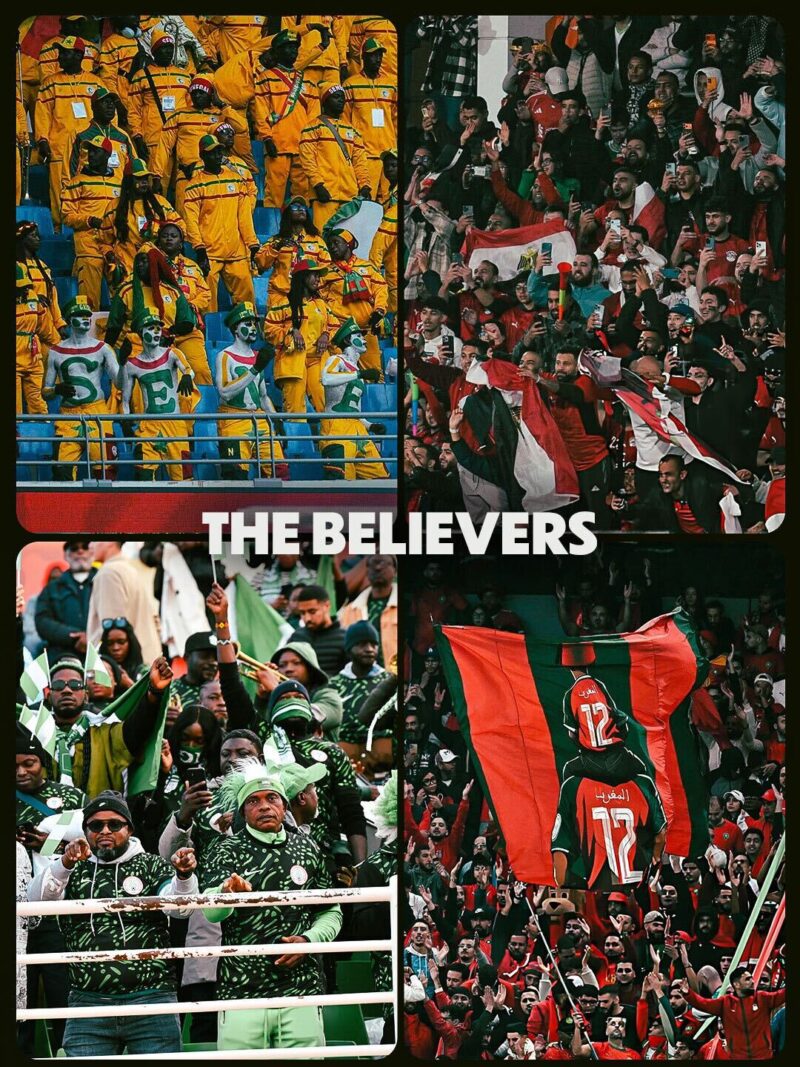
To conclude, the growth of African football appears to be heading in the right direction. As a matter of fact one could put in an argument that CAF has eclipsed CONCACAF. Factors such as stronger World Cup performance, more World Cup spots as well as more elite players all factor in to why CAF has built a stronger international presence. As observed above, we have seen how far African football can go once it receives the right investments, players get the necessary professional exposure they need at big tournaments as well as against big nations.
One of the main takeaways from this conversation is that international coaches play a huge role in developing world-class players, as observed with Avram Grant and Drogba. As much as managers developed on home soil add value, there is nothing compared to bringing in managers who have competed at the highest level. His most notable achievement for Zambia was leading them to the 2023 AFCON, which saw Chipolopolo’s eight-year absence from the tournament end.