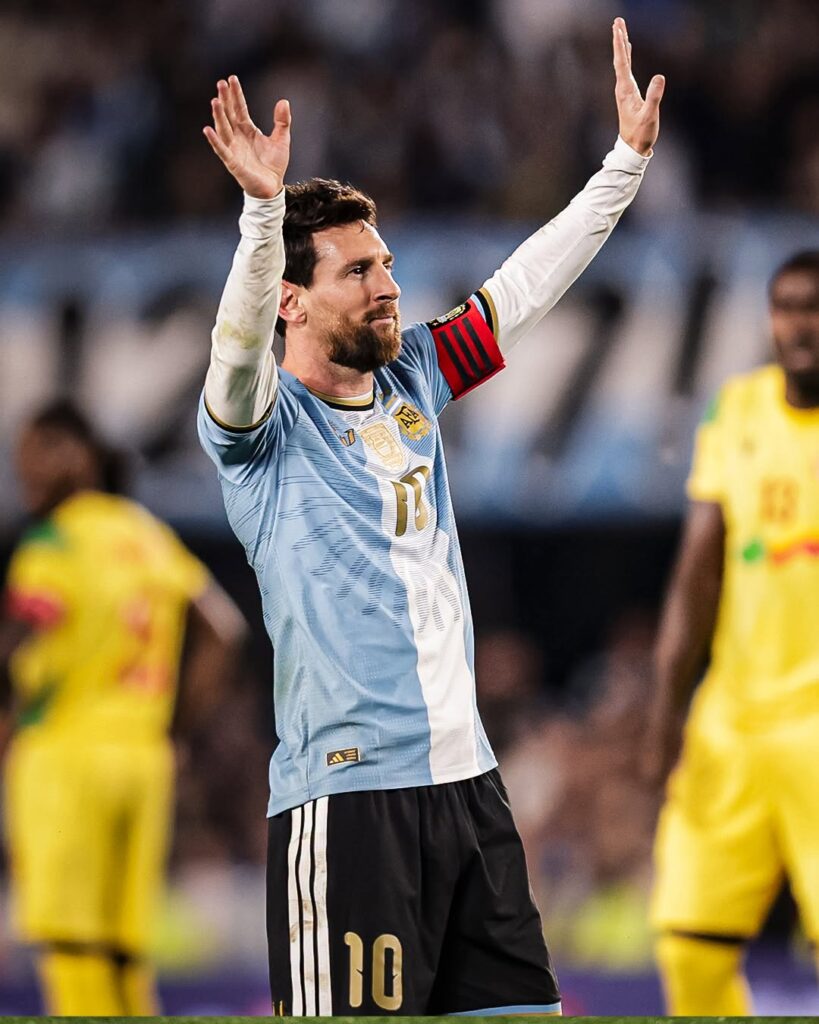

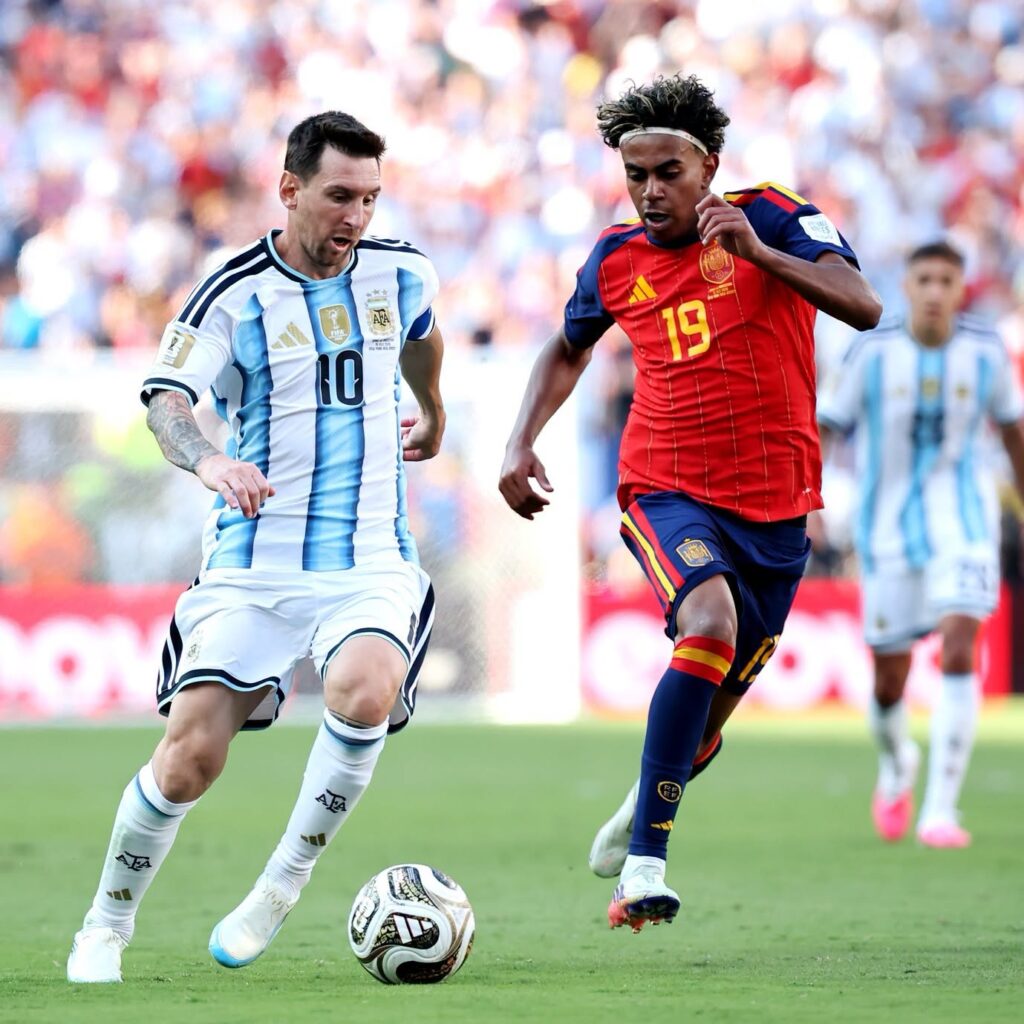
Argentine fans remain confident in a promising future as they prepare to bid farewell to the most influential player of the past two decades. Today, Lionel Messi, at age 39, will play his final match with the Argentina national team in a friendly against Benin at the Estadio Monumental in Buenos Aires, marking a historic turning point for soccer in his country.
The star from Rosario leaves behind an unparalleled legacy. His international achievements include the 2022 World Cup title, two additional World Cup finals (2014 and 2026), two consecutive Copa América titles (2021 and 2024), the 2008 Olympic gold medal, and the record of 125 goals in the Albiceleste jersey.
A new era for Argentina
With his imminent retirement, an inevitable question arises: Will Argentina manage to remain among the global elite, or will it face a title drought similar to the 35-year wait that followed Diego Armando Maradona’s retirement?
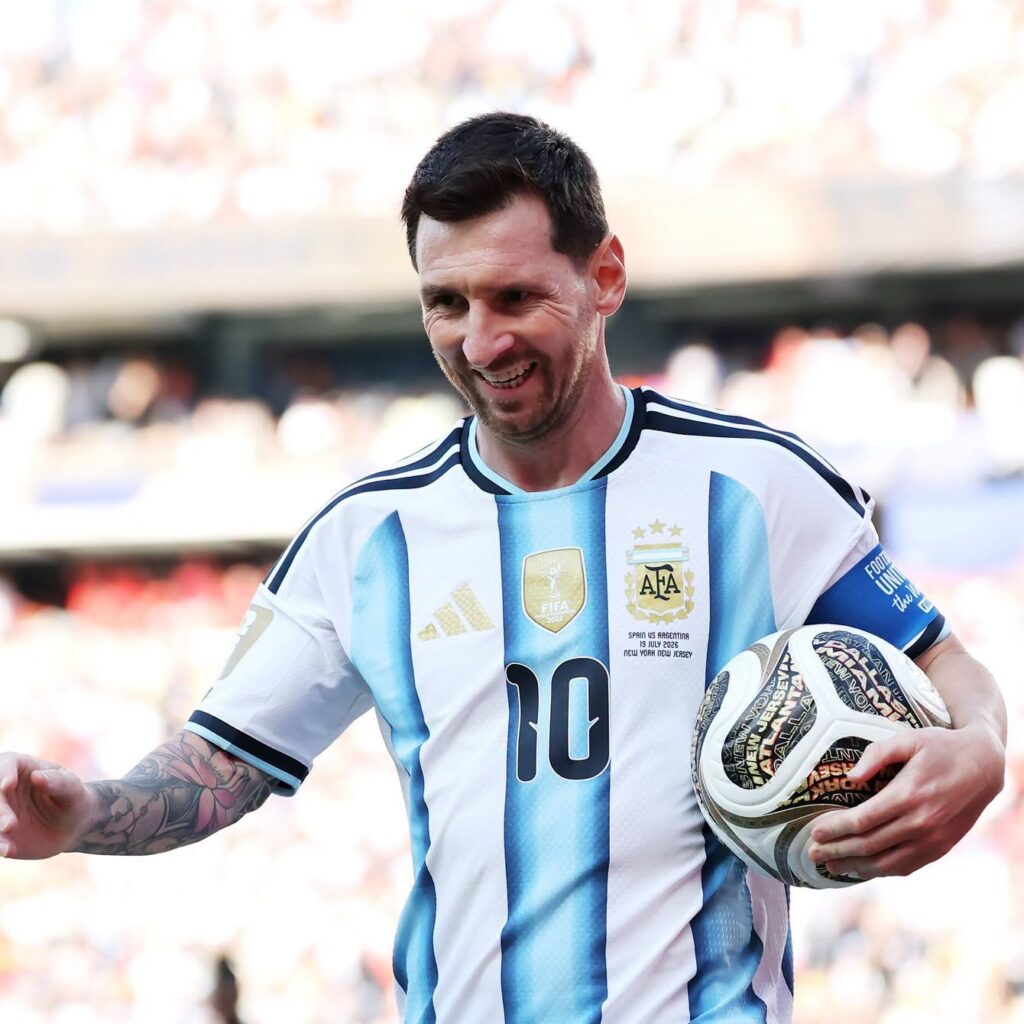
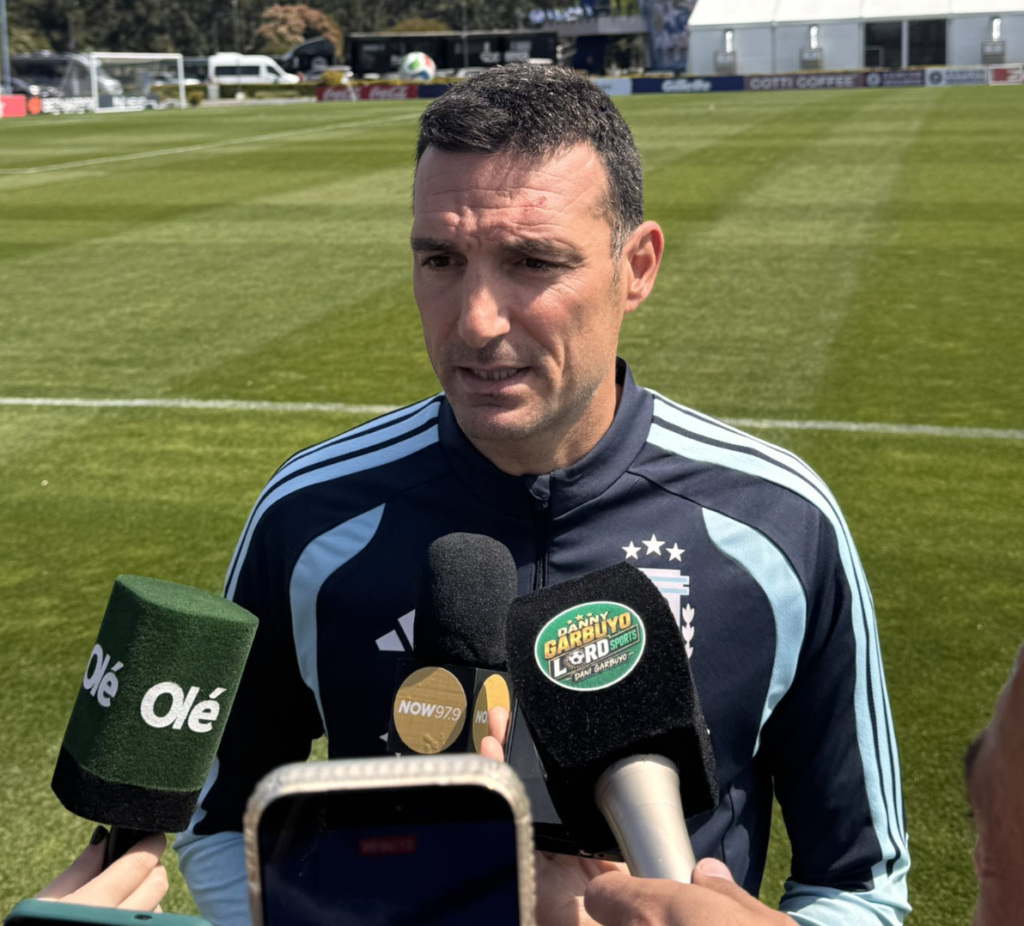
Lionel Scaloni, head coach of the national team and currently in advanced negotiations to renew his contract for another four years, approaches the transition with complete optimism.
“Messi leaves behind something unparalleled. We have to keep playing, but the feeling of having him on the field is unique,” the coach noted. “I’ve never seen anyone else convey what he conveys on a soccer field, and that’s what we’re going to miss. However, the Argentine national team will endure. We’ll continue to perform at a high level—of that I have no doubt.”
The Transition Underway
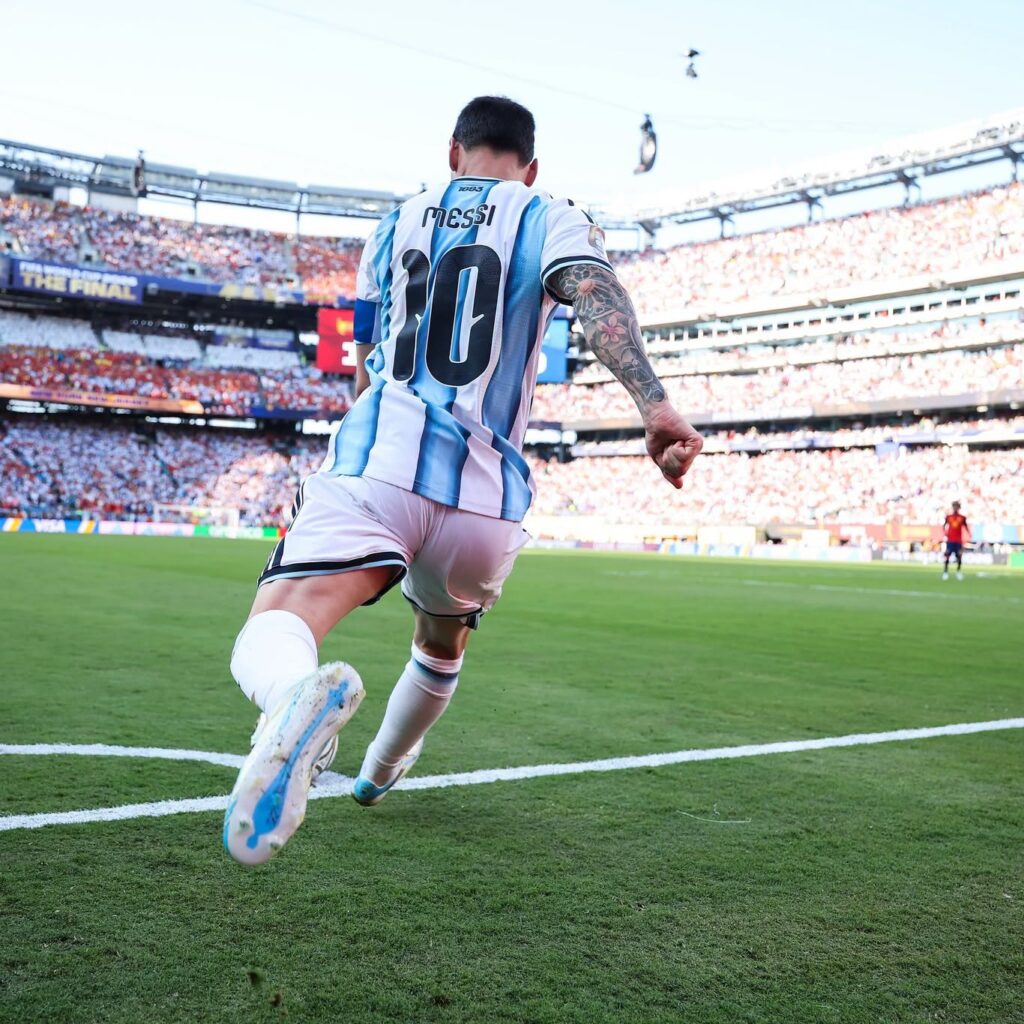
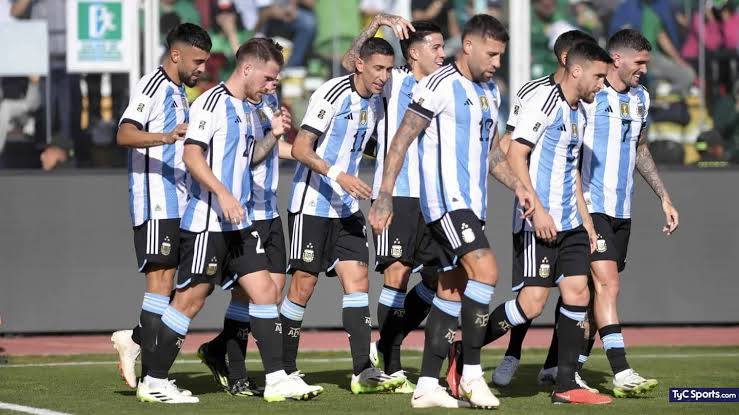
The first glimpses of the post-Messi era were already evident last week with a pair of convincing victories in friendly matches: a 4-0 win over Bolivia and a 7-0 win against Burkina Faso. Regardless of the opponents’ caliber, the matches served as a showcase for the team’s new tactical setup.
Alongside the established core of Emiliano Martínez, Cristian Romero, Enzo Fernández, and Lautaro Martínez, a promising new generation is making its mark. Names like creative midfielders Nicolás Paz and Franco Mastantuono, as well as wingers Gianluca Prestianni and Leonel Flores, are grabbing the spotlight. Flores, a product of Boca Juniors’ youth academy, made his professional debut just two months ago and has already earned playing time with the senior national team.
The mood among the fans in the stands reflects this acceptance of the new generation. Cristian Versalles, a 55-year-old fan, remarked after Saturday’s victory over Burkina Faso that there is a clear changing of the guard. “Maybe now we have to play differently, without thinking in terms of ‘Messi and 10 others,’ but rather as a unified team,” he explained.
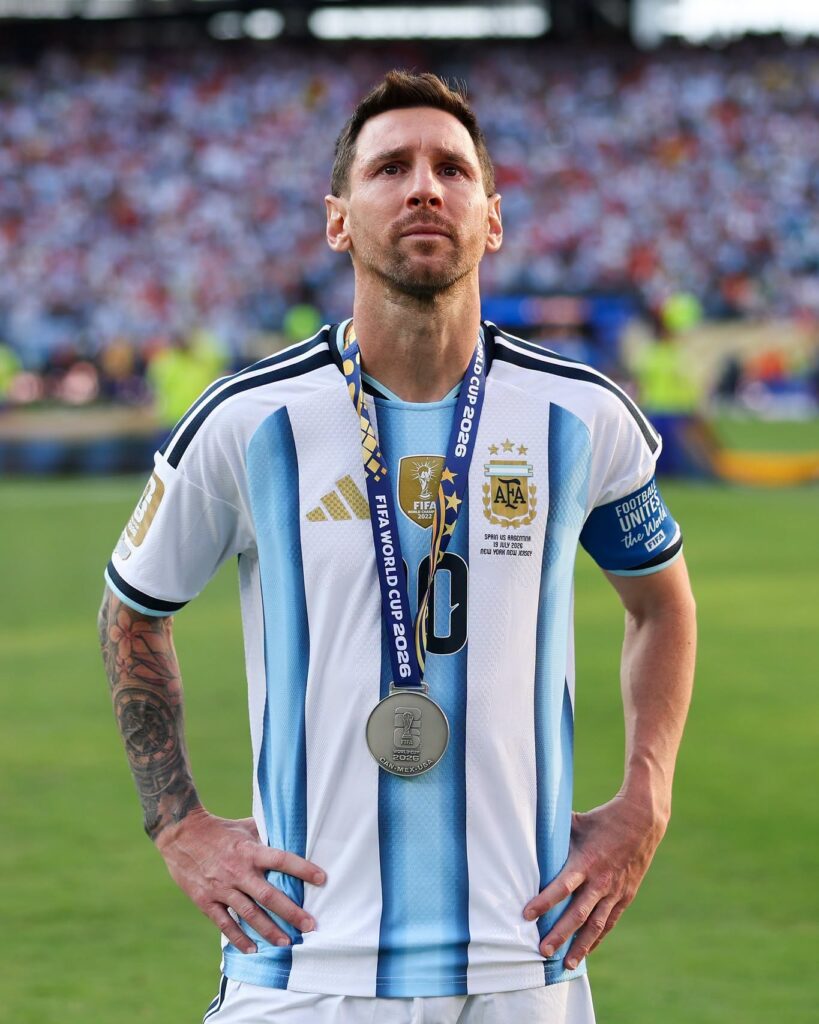
His 23-year-old son, Ramiro, echoed this sentiment, pointing to the midfielder from Como in Italy, who found the back of the net: “With the number of players emerging, there’s definitely a new generation ready to step up. Nico Paz is the natural heir.”
The captain’s influence continues to resonate deeply with younger generations, as demonstrated by Uzzi Rivero, a 10-year-old boy wearing the No. 19 jersey—the same one Messi wore in his 2005 debut. Although he admitted to feeling sad upon learning that his idol will no longer play for Argentina, the young fan flatly rejected the idea of a future trophy drought.
This enthusiasm is shared by other fans, such as 20-year-old Valentina Gago: “I’m excited about Argentina without Messi. My favorite player is Lautaro Martínez; he’s not the same as Messi, but I love him just the same.” In fact, with his goal against Burkina Faso, the Inter Milan forward cemented his place as the national team’s third-highest all-time scorer with 42 goals.
“As long as the players are willing to give their all for the jersey, Argentina will continue to be a contender in my eyes,” Gago stated. The true measure of this new Albiceleste lineup will be put to the test in its next major official tournament: the 2028 Copa América.