
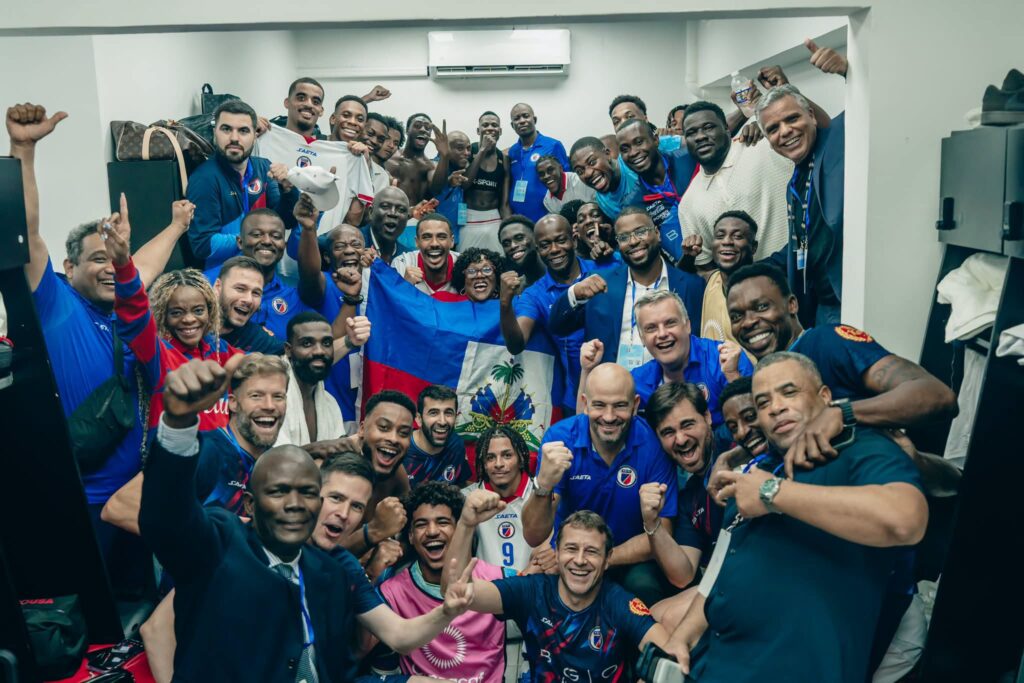
According to a report in El Nuevo Día, the Dominican Republic closed its doors to the Haiti national team following the incidents that occurred during Thursday’s match at Félix Sánchez Stadium, where the visitors routed the hosts 4-1 in front of a sold-out crowd in the CONCACAF Nations League.
Haiti’s 4-1 victory at Félix Sánchez Stadium ended with disturbances at one of the entrances, a controversial outburst by Wilson Isidor, and an unprecedented official decision. As reported by The Peninsula Times, the measure was announced on Friday by the Ministry of Sports, one day after the match, following scuffles between fans at one of the stadium entrances.

According to the same publication, dozens of Haitian fans and some Dominicans attempted to force their way into the stadium and were held back by security forces. As cited by El Sol News Media, Sports Minister Kelvin Cruz described the incident as unacceptable and said they would not tolerate indiscipline or disrespect.
As reported by El Gráfico, Cruz was unequivocal: “We are prohibiting the Haitian national team from participating in any further matches in the Dominican Republic.” The official explained, as reported by El Nuevo Día, that the Ministry has rules, ordinances, and disciplinary regulations, and that what was observed at one of the gates of the recently renovated stadium cannot be allowed—especially after a multimillion-dollar investment in the renovation.
As reported by Diario Libre via El Nuevo Día, President Luis Abinader backed the decision announced by Cruz to bar Haiti from using Dominican stadiums again.
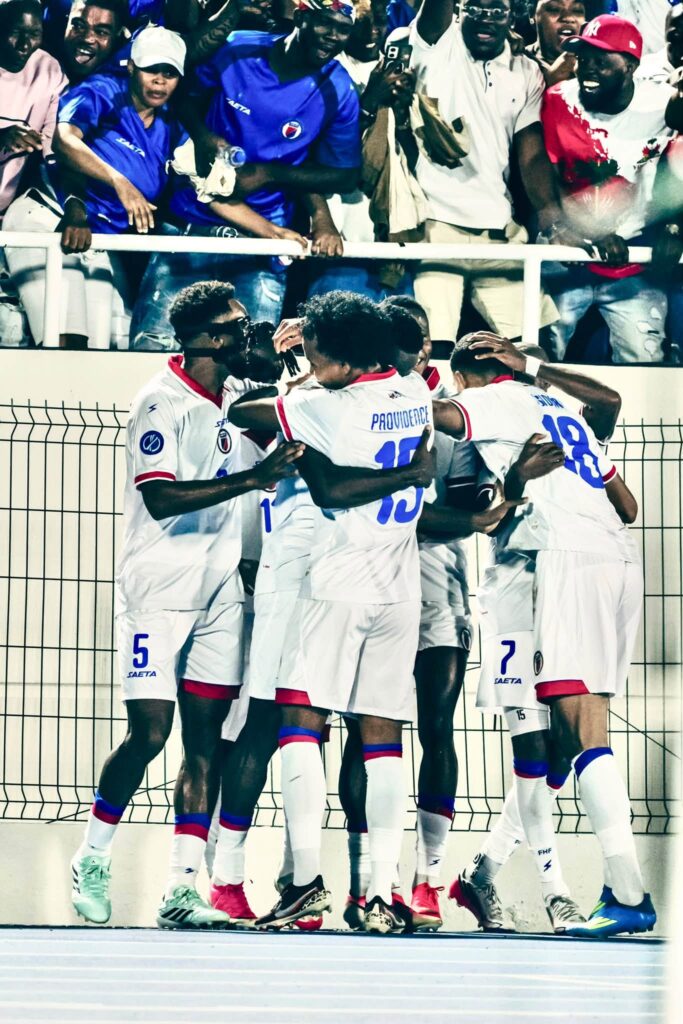
From a sporting perspective, the match was a major blow to the home team. As detailed by Flashscore, Haiti won 4-1 on the road during the group stage. Most of the thousands of people who packed the stadium were Haitians—an unusual sight in the Dominican Republic, as El Gráfico noted—in a country home to a large Haitian community that rarely turns out en masse for an event on Dominican soil.
But the tension wasn’t confined to the stands. As reported by The Peninsula Times, the incidents following the match and the celebration by striker Wilson Isidor—who scored two goals—sparked fierce criticism on social media. The player for England’s Sunderland shouted on the field, “La Española is Haiti. This is Haiti,” as quoted by Flashscore.

As reported by Mexico’s La Gaceta, the president of the Dominican Football Federation, José Deschamps, told AFP that the striker’s words were ill-advised given the current political situation between the two countries.
As El Sol News Media noted, Haiti and the Dominican Republic share the island of Hispaniola and have historically maintained a complex relationship, marked by recurring political and immigration tensions. That context, as Deschamps explained, made the celebration come across as a provocation in Santo Domingo.
The decision sets a strong precedent in CONCACAF: a country refusing to lend its stadiums to a rival in its own group for disciplinary and security reasons. While Haiti celebrates a victory that puts it in a strong position in the Nations League, the Dominican Republic will have to find a way to mend the sporting relationship without further inflaming a rivalry that, as seen on Thursday, extends far beyond the field.