
Football is often described as a passion that is passed down through generations. In many homes around the world, the ball is passed down from generation to generation, and the dream of playing in a World Cup becomes a family tradition. Over nearly a century of history, the World Cup has been the setting for unique stories featuring brothers, fathers, and sons who shared the honor of representing their countries at football’s premier event.
And at the 2026 World Cup, with a record 48 national teams and 1,248 players participating, those family stories continue to grow.
The First Brothers to Play in the World Cup
The first World Cup, held in Uruguay in 1930, set a record that has been hard to match. Mexico fielded three brothers on the same national team: Manuel Rosas, Felipe Rosas, and Juan Rosas.
Since then, several sets of siblings have made their mark on the sport. Germany fielded Edmund and Walter Conen in 1934, while Romania featured brothers Cezar and Silviu Lapusneanu that same year.
But it was in 1954 that a pair of brothers achieved the ultimate glory. Fritz Walter and Ottmar Walter lifted the World Cup with West Germany after defeating Hungary in the historic final known as the “Miracle of Bern.” Both were starters and key players in one of football’s greatest feats.
The Charltons and English Glory
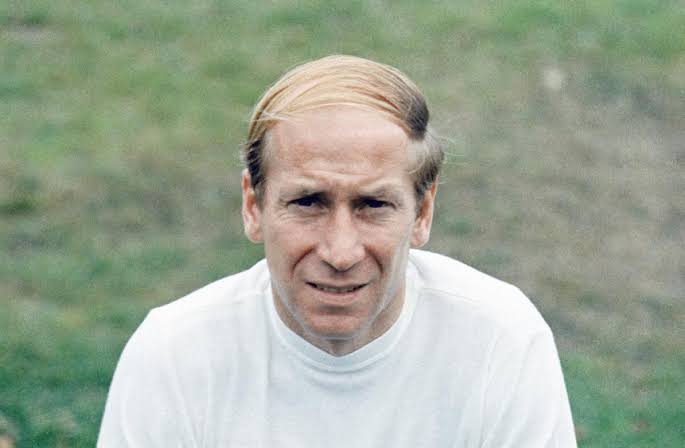
Twelve years later, England boasted another of the most famous sets of brothers of all time.
Bobby Charlton, with his attacking talent and goals, and Jack Charlton, the defensive leader, guided the “Three Lions” to their only World Cup title in 1966.
Their legacy remains intact and continues to be one of the greatest examples of family success at a World Cup.
The Brothers Who Played in Multiple World Cups
As time went on, pairs of brothers began to appear more frequently.
The Dutch brothers René and Willy van de Kerkhof played in two consecutive World Cups, in 1974 and 1978, reaching both finals, though they were unable to lift the trophy.
Later came brothers Michael and Brian Laudrup, who represented Denmark at Mexico 1986 and France 1998, setting an impressive record: they played in World Cups 12 years apart.
Also noteworthy are the cases of Frank and Ronald de Boer with the Netherlands, Kolo and Yaya Touré with Ivory Coast, Jerry and Wilson Palacios with Honduras, as well as Eden and Thorgan Hazard with Belgium.
Brothers, but on Different National Teams
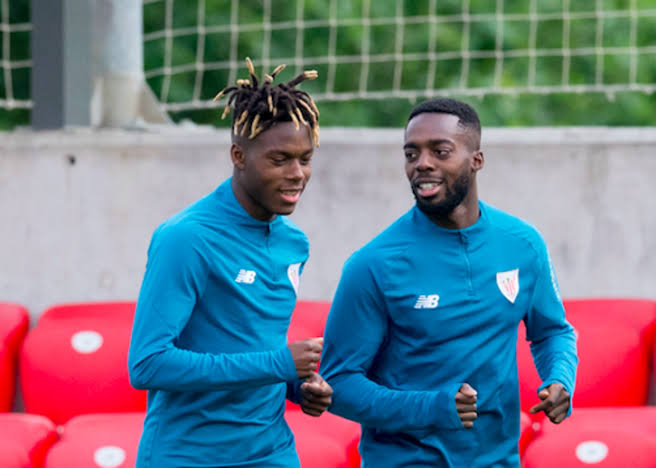
Globalization and dual citizenship have given rise to even more intriguing stories.
One of the most striking examples occurred at South Africa 2010, when Kevin-Prince Boateng represented Ghana while his brother Jérôme Boateng played for Germany. The outcome was incredible: Jérôme went on to win the 2014 World Cup in Brazil with the German national team.
Currently, another iconic example is that of the Williams brothers. Iñaki Williams decided to represent Ghana, his parents’ country of origin, while Nico Williams chose to play for Spain.
The 2026 edition also features another unique example: Désiré Doué plays for France, and his brother Guéla Doué represents Ivory Coast.
Fathers and Sons in Different Jerseys
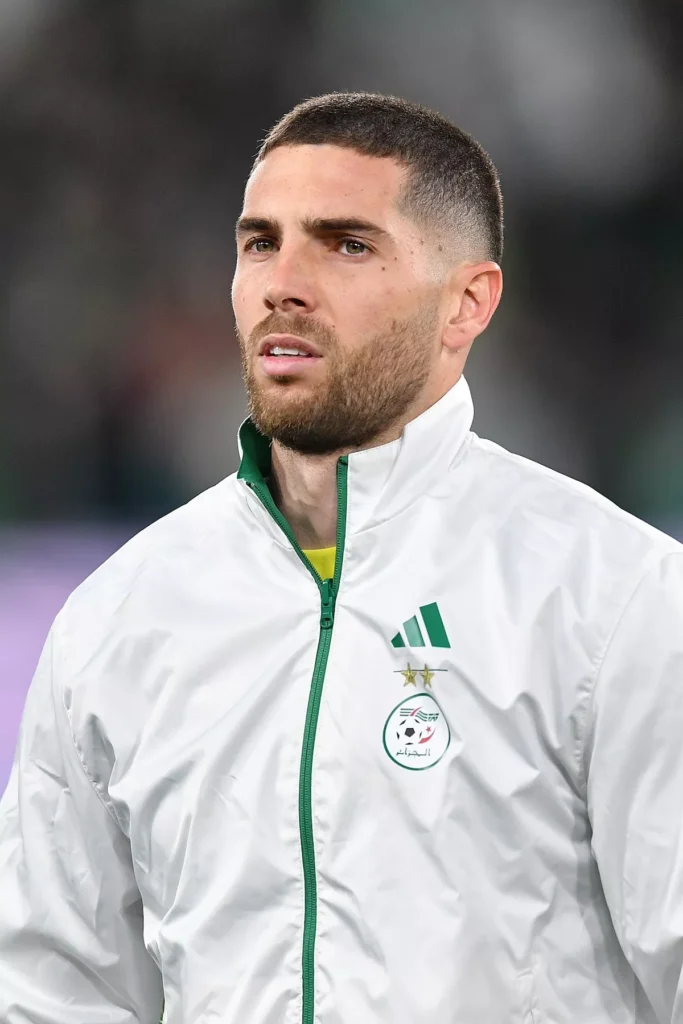
If playing in a World Cup is already a feat, doing so in a family where each generation represents a different country seems like something straight out of a movie.
One of the most recent examples is Luca Zidane. The goalkeeper made his World Cup debut in 2026 with Algeria, while his father, Zinedine Zidane, is an absolute legend in France and a 1998 World Cup champion.
Another famous example is the Alcántara family. Mazinho won the 1994 World Cup with Brazil, while his son Thiago Alcántara played in the 2014 World Cup in Brazil with Spain.
Also noteworthy is the story of Martín Vantolrá, who played for Spain in 1934 and whose son, José Vantolrá, played for Mexico in the 1970 World Cup following the family’s exile during the Spanish Civil War.
There is even a unique case involving the Weiss family. Vladimír Weiss Sr. played in the 1970 World Cup for Czechoslovakia, while his son, Vladimír Weiss Jr., played in the 2010 World Cup for Slovakia, a country that emerged following the division of the former Czechoslovak state.
Sons Seeking to Write Their Own History

The 2026 World Cup also brings together several football players whose fathers left their mark on the international game.
Among them are names such as Erling Haaland, son of former Norwegian international Alf-Inge Haaland; Marcus Thuram, son of French World Cup champion Lilian Thuram; Timothy Weah, son of the legendary George Weah; and Justin Kluivert, the football heir to Patrick Kluivert.
Also on the list are Giovanni Reyna, son of Claudio Reyna; Francisco Conceição, son of Sérgio Conceição; Giuliano Simeone, son of coach Diego Simeone; and Sebastian Berhalter, whose father Gregg played in two World Cups for the United States.
A Passion That Spans Generations
Throughout history, the World Cup has shown that football isn’t just played on the field, it’s also played within the family. Brothers sharing a locker room, parents and children pursuing the same dream, and even family members representing different countries are all part of the tournament’s most moving stories.
While trophies change hands and generations come and go, one thing remains constant: a passion for football can be passed down, but every World Cup offers the chance to write a new chapter.