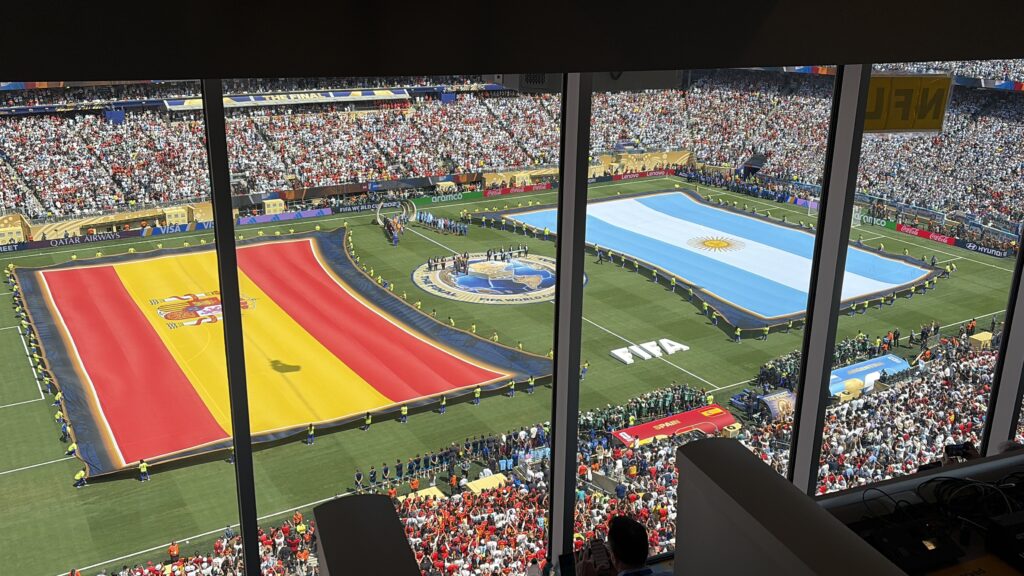

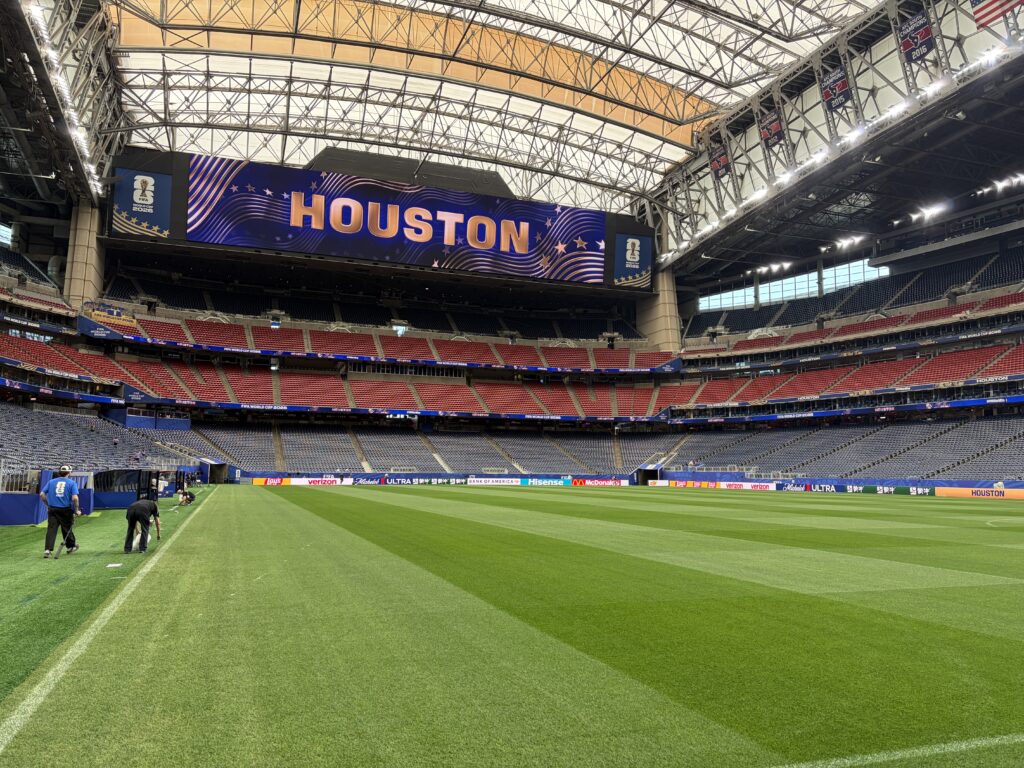
The city of Houston brings its World Cup run to a close. After hosting an intense and exciting schedule of matches, the Local Organizing Committee and the management of the Houston stadium (which will revert to its original name after Saturday) provided an overview of what it took to adapt and operate one of Texas’s most iconic venues for the 2026 World Cup.
The venue witnessed memorable matches throughout the tournament, bidding farewell this Saturday, July 4, with the match between Morocco and Canada. This match was joined by the thrilling encounters of the group stage and knockout rounds: Germany vs. Curaçao, Portugal vs. Uzbekistan, the Netherlands vs. Sweden, Portugal vs. Congo, Saudi Arabia vs. Cape Verde, and the spectacular Round of 16 match between Brazil and Japan.
But beyond what happened on the field, the real feat was the logistical operation.
“Fitting a square peg into a round hole”

Transforming the home of the NFL’s Houston Texans and the famous Houston Rodeo into a venue that met FIFA’s strict standards was no easy task. Lamar Green, a member of the stadium’s management team, described the operational challenge.
“The biggest challenge for us was like trying to fit a square peg into a round hole. This is a beautiful American football and rodeo stadium, and we had to completely change the way it operates to host international soccer,” he said.
To put the massive flow of attendees and the operational demands inside the venue into perspective, organizers compared the foot traffic to the country’s largest sporting event: the Super Bowl. While the NFL championship handles about 70,000 spectators once a year, the World Cup’s logistics required management to handle that same volume of people—but six times over the course of just a few days.
The Epicenter of Global Diversity

The operational difference between organizing a regular CONCACAF match and a World Cup lies in the overwhelming diversity of its attendees and staff. The operation in Houston was a true melting pot of cultures:
- Accreditations: Badges were issued to people from 176 countries.
- Volunteers: An army of more than 4,000 volunteers from 106 different countries supported the event.
- FIFA staff: The organization’s official staff represented 38 countries.
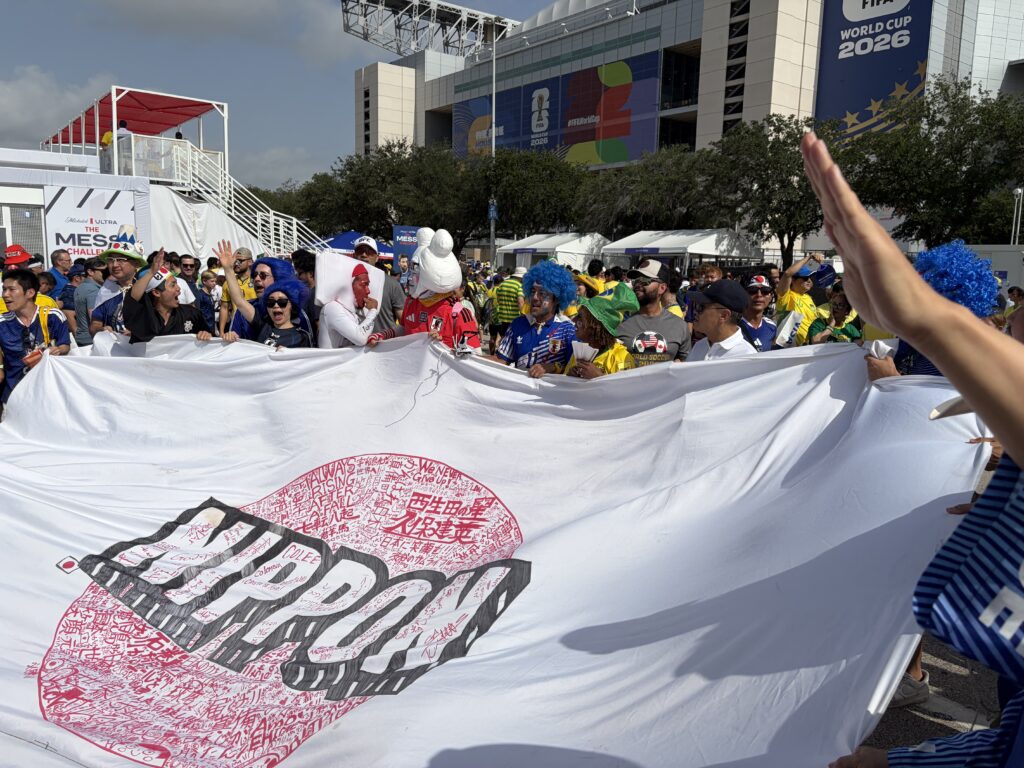
“Fans come in ways we don’t necessarily see in American sports. The parking is different; the way the stadium ‘breathes’ and operates is completely different,” the organizers added.
The clock never stops: the Texans’ return
With the final whistle of the last game, the transition back to normalcy began immediately.
The facilities must be ready to host a circus event soon—and, above all, by August 13, when the Houston Texans will play their first game of the NFL season. To that end, the natural grass required by FIFA will be removed and the artificial turf will be reinstalled. Regarding the possibility of keeping World Cup upgrades, such as the press boxes, management clarified that those decisions rest solely with the Texans franchise.
The World Cup by the Numbers: A Feast in the Stands
To keep fans comfortable in the Texas heat, the air conditioning system maintained the venue at a cool 60 degrees Fahrenheit (approx. 15°C). In addition to enjoying the soccer, attendees generated impressive food and beverage sales figures at the venue.