
The 2026 summer transfer window came to a close, leaving some clear winners and losers. While some clubs took advantage of the window to strengthen their rosters, others ended the period with significant gaps or even lost players they didn’t want to let go.
Real Madrid’s big transfer window
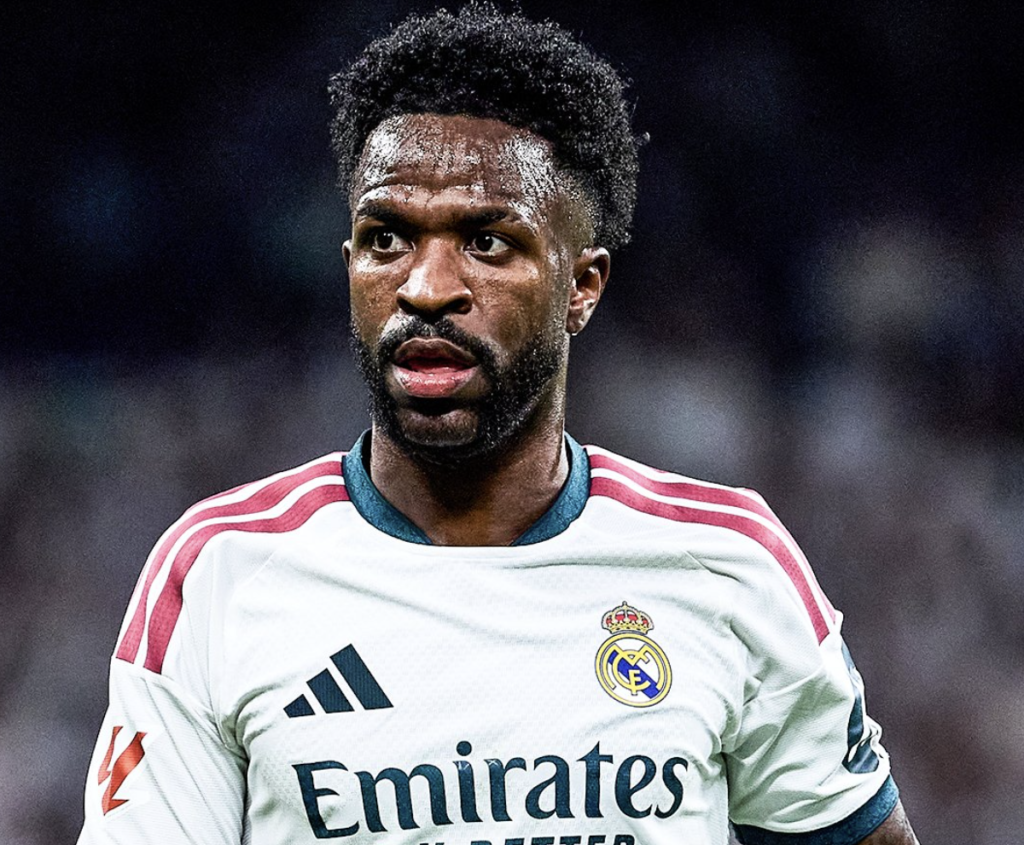
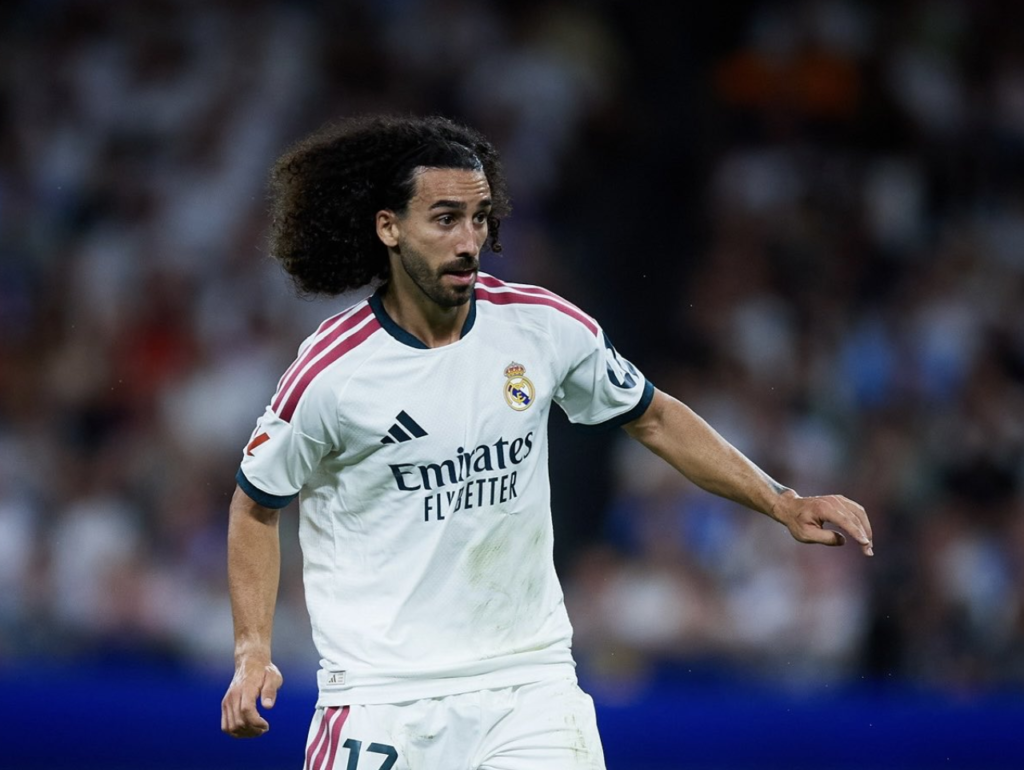
Among the big winners is Real Madrid, which had a particularly busy summer. José Mourinho’s return to the Santiago Bernabéu bench marked the start of a transfer window in which the Whites managed to attract talent, make major signings, and retain one of their key players.
Madrid quickly finalized the signing of Marc Cucurella for 55 million euros. They also signed Bernardo Silva and Ibrahima Konaté as free agents, from Manchester City and Liverpool, respectively. They were joined by Denzel Dumfries, from Inter, for 20 million euros.
The biggest investment came with Yan Diomande. Real Madrid beat out competition from clubs like Paris Saint-Germain and Liverpool to sign the RB Leipzig winger and Ivory Coast national team player, considered one of the major signings of the summer.
In addition, Real Madrid managed to retain Vinícius Jr., who had been on Arsenal’s radar, by securing his future with a new long-term contract.
There was also room for business deals. Madrid sold Gonzalo García to Fulham for 40 million euros and subsequently exercised the 25-million-euro buyout clause for Carlos Espí, who joined from Levante.
The only major unresolved issue was Rodri. Madrid ultimately missed out on signing the Spanish midfielder, who ended up joining Barcelona, bolstering a direct rival.
Atletico Madrid invested in new signings
Another Madrid club that came out on top is Atlético Madrid. The Colchoneros signed Cristian Romero for 40 million euros, Morten Hjulmand for another 40 million, Lee Kang-In for 35 million, and Alejandro Grimaldo for 15 million.
In addition, Atlético received nearly 65 million euros from the departures of Matteo Ruggeri, Thiago Almada, and Nahuel Molina, while freeing up a significant portion of its payroll with Antoine Griezmann’s move to Orlando City.
But Atlético’s greatest triumph was retaining Julián Álvarez. The Argentine was on Barcelona’s radar, received a public offer from Real Madrid, and also drew interest from Arsenal. Atlético stood firm and made it clear that not even an offer of 200 million euros would be enough to let him go.
Chelsea bring in new reinforcments for Xabi Alonso
Chelsea also ranks among the clubs that made the most of the transfer market. The team added experience with Danny Welbeck and Jordan Henderson, in addition to signing Maxence Lacroix and Marco Palestra.
The biggest signing was Morgan Rogers, acquired from Aston Villa for 117 million pounds—a record fee for a British player.
The deal that rounded out the transfer window was the departure of Enzo Fernández. Chelsea accepted a 120 million-pound offer from Manchester City for the Argentine, who had been expressing his desire to leave since March. Although the club was unable to finalize the signing of Lamine Camara as a replacement, the overall outcome of the transfers was positive.
Barcelona look to take the final step towards the Champions League
On the other side of the spectrum is Barcelona. The arrival of Rodri is enough to give their transfer window some value, as he is considered the best “number 6” in the world based on the information provided.
However, the Blaugrana failed to sign Julián Álvarez, who was their top target to replace Robert Lewandowski. Instead, they signed Anthony Gordon, Karim Adeyemi, and Gabriel Jesus, while also failing to strengthen a central defense that needed reinforcements.
Arsenal and Man United fail to bolster attack
Arsenal also failed to achieve its main objective: signing a star for its attack. The club was unable to secure any of its three main targets: Morgan Rogers ended up at Chelsea, Vinícius Jr. re-signed with Real Madrid, and Julián Álvarez remained at Atlético.
Although they signed Bruno Guimarães and Ezri Konsa, Arsenal ended the transfer window without the attacking player they were seeking.
Manchester United, for its part, bolstered its midfield with Andrey Santos, Youri Tielemans, and Carlos Baleba. However, it left other areas unaddressed. It did not sign a backup forward, nor did it bring in competition for Luke Shaw at left back.
Liverpool bolstered attack with Bradley Barcola
The Reds reached the close of the transfer window with significant concerns. The club failed to strengthen positions that had shown problems early in the season and ended up without enough fullbacks and without a true defensive midfielder.
Liverpool did manage to sign Víctor Muñoz from Osasuna for 40 million euros and pulled off one of the summer’s biggest moves with Bradley Barcola, acquired from Paris Saint-Germain for 106 million pounds plus add-ons.
But those deals did not address all the squad’s needs.
The problem became even more acute in the final days of the transfer window, when Liverpool rejected an 85-million-pound offer from Manchester City for Cody Gakpo. The club felt it could not find a replacement for the forward, so it decided to keep him.
Big investments from Tottenham and an Aston Villa transformation
Tottenham also had a difficult transfer window. The club spent 92.5 million pounds on Sandro Tonali, 85 million on Mateus Fernandes, and another 75 million on Sávio.
In total, 10 players joined the team as Robert De Zerbi led a major overhaul of the roster. However, the high spending was also accompanied by significant departures and questions about some of the amounts paid.
Finally, Aston Villa underwent one of the most profound transformations of the summer. The club lost six key players and was ultimately forced to rebuild virtually its entire roster.
Villa assembled an entirely new starting lineup during the transfer window, from the goalkeeper to the forward. Although the new signings may represent an investment for the coming years, the scale of the exodus made this a particularly difficult summer for the club and its fans.
Thus ended the 2026 transfer window with clear contrasts: while Real Madrid, Atlético Madrid, and Chelsea used their moves to strengthen their squads, Liverpool and other major clubs ended the summer with questions they’ll need to resolve when the next window opens in January.