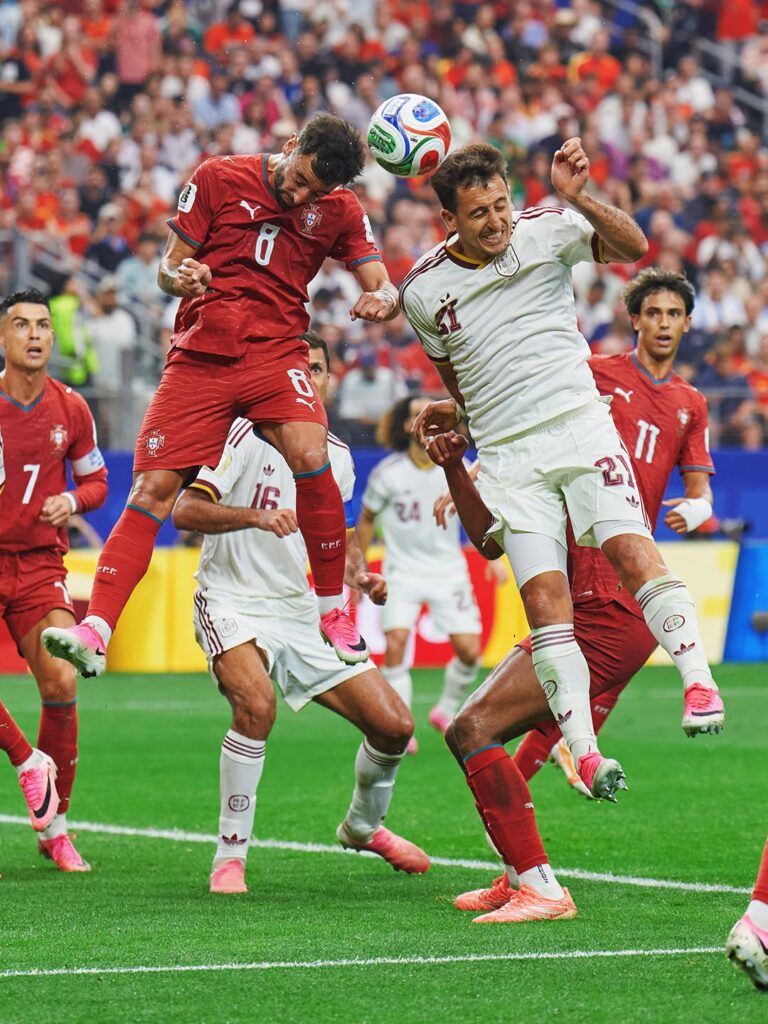

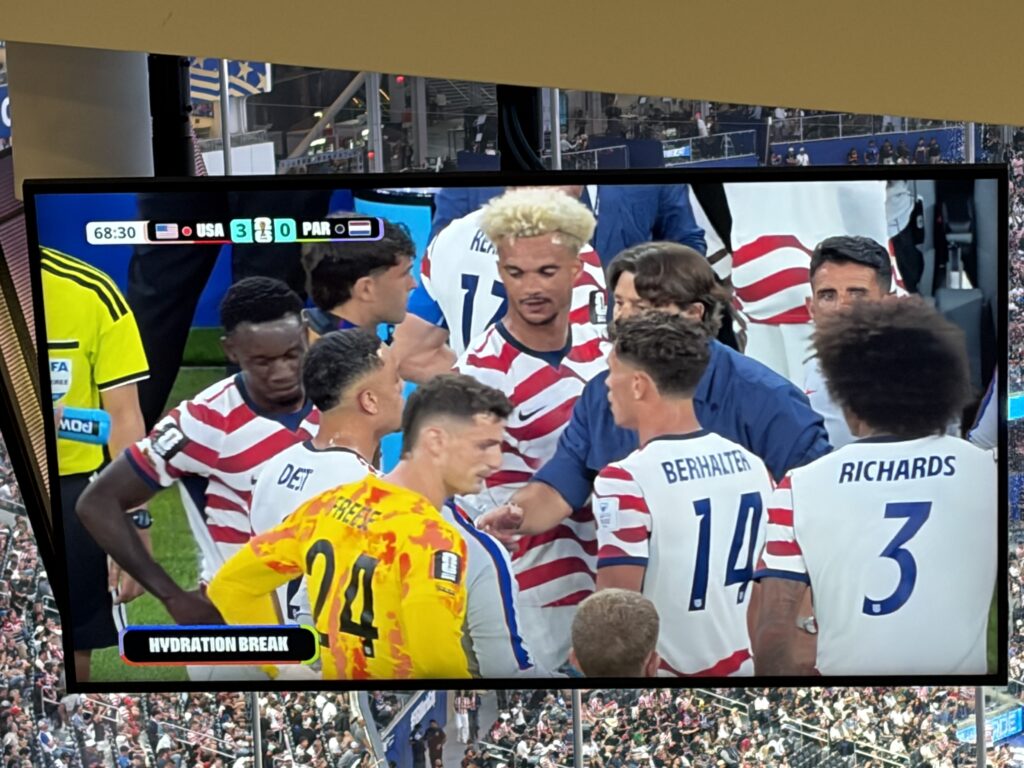
BY MARÍA MÉNDEZ.—There was a lot of talk at the 2026 World Cup about so-called “hydration breaks,” although, fortunately, this medical and sports standard has been in place for some time. Criticism of these very brief breaks shows just how far we still are from recognizing the importance of such breaks in preventing burnout, because sports are also a job.
Hydration/cooling breaks began during a match at the 2014 FIFA World Cup, although breaks had also been taken earlier, at the 2008 Beijing Olympics. Over time, as global temperatures have risen, FIFA and the leagues have moved from using them only in weather emergencies to making them standard practice in summer tournaments to protect the health of soccer players.
It is therefore no coincidence that European trade unionists have launched a global petition calling for these breaks to be implemented across the board in sectors heavily affected by the weather. These include construction workers, farmers, drivers, cleaning staff, and other employees who work for hours on end in dangerous temperatures without a break. Extreme heat has increased the number of fatalities almost everywhere in the world, but it is not the only danger.
Taking breaks at work—even under optimal air-conditioning conditions—is essential for preventing burnout, safeguarding mental health, and boosting productivity and a sense of belonging. Even if we work in perfectly air-conditioned offices, we can still die from work-related exhaustion. It’s important to clarify that a break isn’t just about stopping for a few minutes every so often.
Rest is not a reward after exhaustion or a mere concession from the employer.
A “mindful break” is a fundamental human right and a key element of organizational infrastructure for mitigating burnout and breaking away from the culture of being “always connected.” Rest should be structured into daily microbreaks to deactivate the stress response in real time. These are small, intentional breaks (1 to 5 minutes) between tasks, during which you do not check your phone or use social media, but instead practice regulatory breathing exercises or stretches.
The weekly break aims to ensure digital disconnection outside of work hours. It stops the constant trickle of cortisol triggered by notifications and promotes restful sleep. Finally, macro-breaks (vacations and time off) facilitate a prolonged disconnection for mental renewal and deep physiological recovery, helping to restore emotional health and creativity.
* María Méndez is the president and founder of Vacation is a Human Right (VIAHR). A Dominican native living in New York, she has worked with international figures and events such as Beyoncé, Frank Ocean, Joe Thomas, The Mavericks, Raul Di Blasio, Benicio del Toro, and the Super Bowl. https://www.viahr.org/