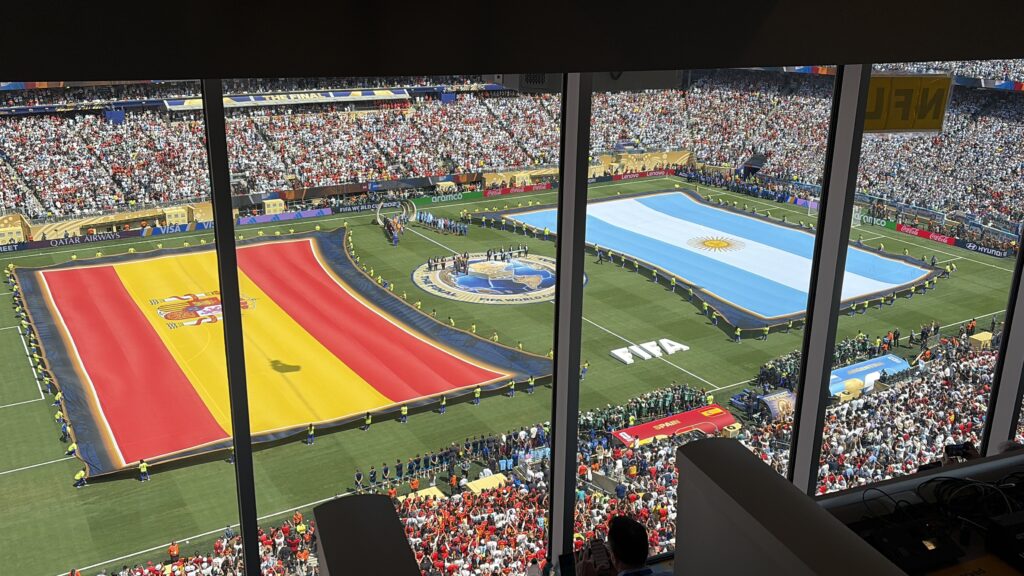


The historic expansion of the World Cup gave way to a new and intense round of knockout stage matches. We analyze each confederation’s performance rate and effectiveness in this new era of football.
The 48-team World Cup is now a reality, and with it, the debate over whether the expansion would dilute the tournament’s quality has been settled on the field. The introduction of the round of 32 forced national teams to go the extra mile, creating a highly intriguing landscape when analyzing qualification rates and performance by confederation.
Who made the best use of the new spots, and which regions felt the full force of the new format? Below, we break down the group stage in detail.
The “Elite Top”: Africa and South America Lead the Way
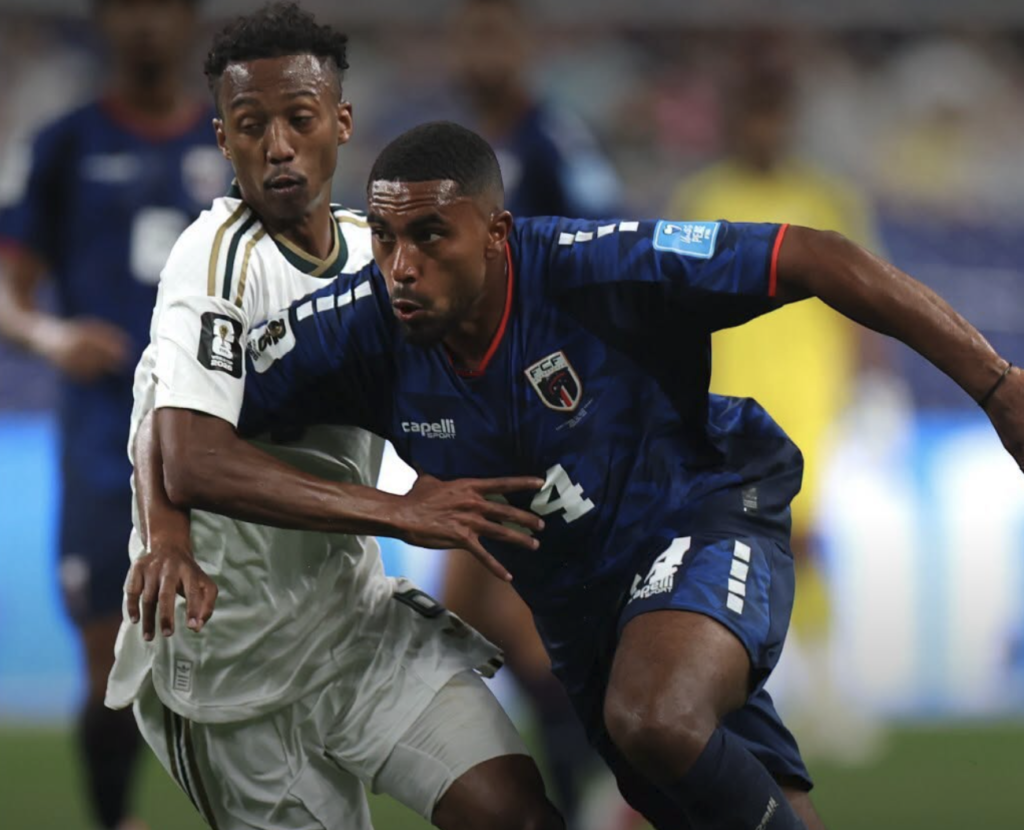
Contrary to predictions of a decline in quality, both the rapidly growing confederations and the traditional powerhouses demonstrated astonishing effectiveness.
- CAF (Africa) | 90% success rate: Africa is, without a doubt, the big winner of the expansion. Of the 10 teams that began their World Cup journey, an impressive total of 9 national teams managed to qualify for the Round of 16. With a 90% success rate, African soccer has established itself as a collective superpower.
- CONMEBOL (South America) | 83% success rate: The South American continent once again demonstrated its traditional competitiveness. It saw 5 of its 6 representatives advance, achieving a solid 83% success rate. Its teams remain a force to be reckoned with in the knockout rounds.
UEFA maintains its numbers; CONCACAF barely makes the cut
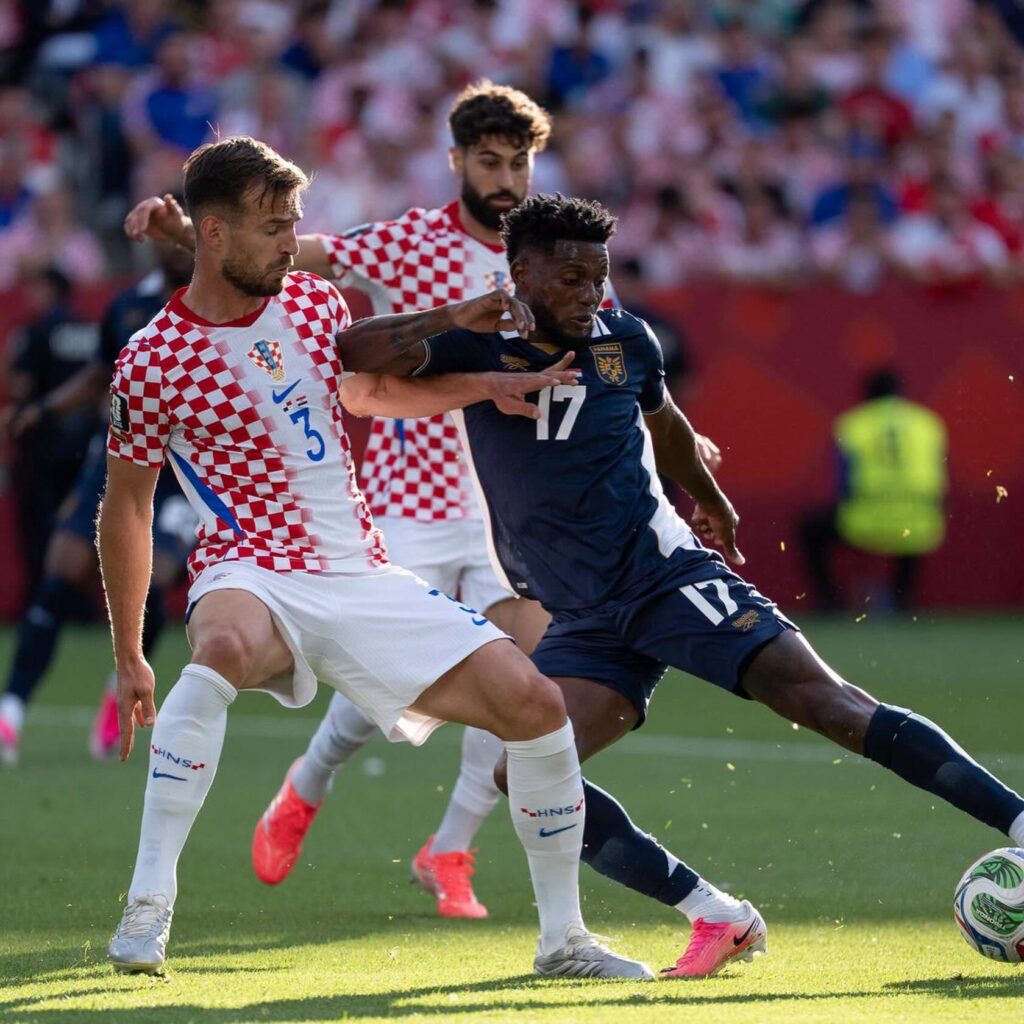
- UEFA (Europe) | 81% success rate: As the confederation contributing the most teams, Europe maintained its dominance in terms of numbers. It managed to get 13 of its 16 teams into the next round (81%). Although they lost three teams along the way, they remain the largest and most formidable bloc in the bracket.
- CONCACAF (North, Central America, and the Caribbean) | 67% success rate: Playing largely on home turf, the region managed to qualify 4 of its 6 teams. A 67% success rate is considered acceptable, but the region must now prove in the knockout rounds that it is ready to compete with the world’s elite.
A Major Setback for Asia and Oceania
- AFC (Asia) | 38% success rate: The Asian continent experienced the other side of the coin. Although it boasts highly competitive teams such as Australia (which plays in this confederation rather than in Oceania), the group stage was unforgiving for the region. Only 3 teams managed to survive the cut from the 8 that started, recording a concerning 38% success rate.
- OFC (Oceania) | 0% success rate: The expansion finally guaranteed the region a direct spot, which was taken by New Zealand. However, the “All Whites” failed to advance past the group stage and were eliminated, leaving their confederation with a 0% success rate in this new round of the Round of 32.
Overall Performance Table by Confederation
| Confederation | Qualifiers | Started | Success Rate |
| CAF (Africa) | 9 | 10 | 90% |
| CONMEBOL (South America) | 5 | 6 | 83% |
| UEFA (Europe) | 13 | 16 | 81% |
| CONCACAF (North and Central America) | 4 | 6 | 67% |
| AFC (Asia) | 3 | 8 | 38% |
| OFC (Oceania) | 0 | 1 | 0% |
The club of “historic debuts”

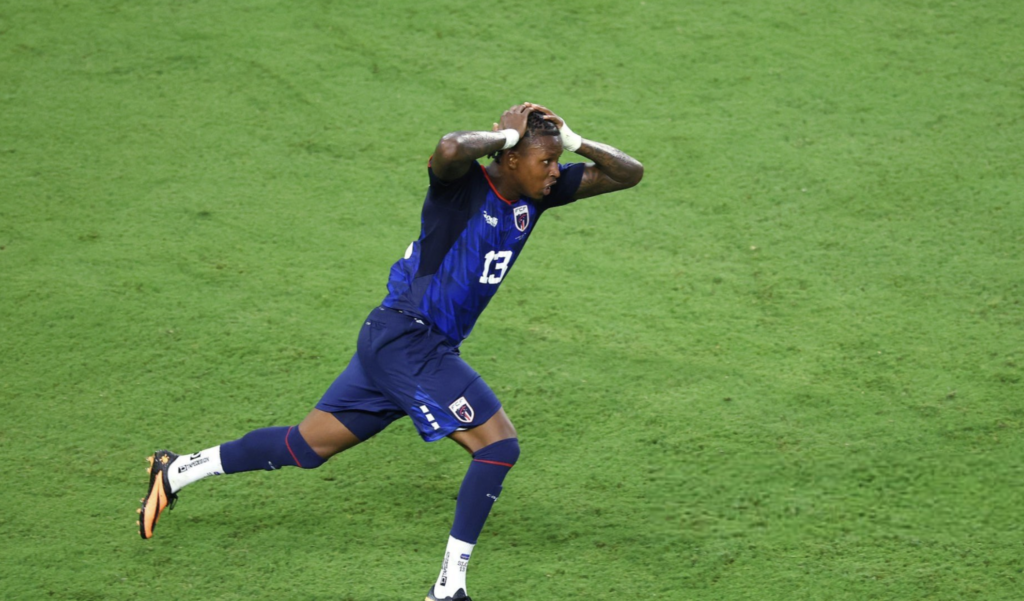
The new 48-team format not only made room for more matches but also allowed historic teams to break their own records. Countries such as Cape Verde (a first-time participant), Canada, South Africa, Ivory Coast, Bosnia, and the Democratic Republic of the Congo are celebrating their first-ever advancement to the knockout stage at the 2026 World Cup in North America, sparking wild celebrations in their respective countries.