
The 2026 FIFA World Cup has barely begun and is already facing one of its first major controversies. Mandatory water breaks, implemented by FIFA on the grounds of protecting players from high temperatures, have drawn criticism for their impact on the flow of matches and their apparent connection to commercial breaks during television broadcasts.
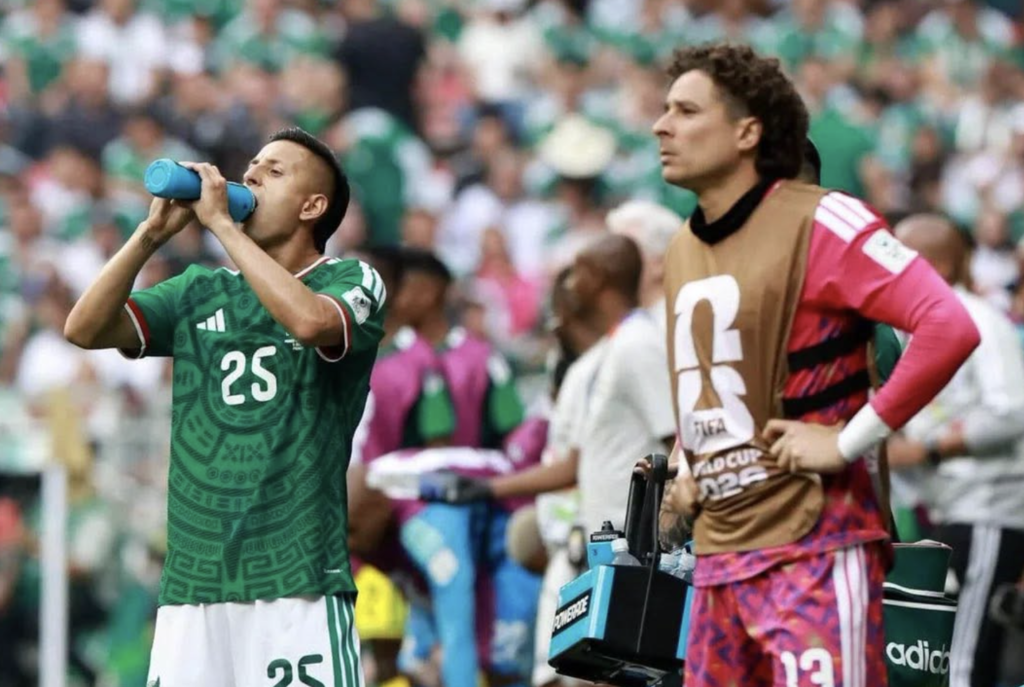
The debate gained momentum during the opening match between Mexico and South Africa. During one of the breaks mandated by regulations, the restart of the match had to wait while the television broadcast finished a commercial break — a situation that raised questions among fans, analysts, and various sports journalists.
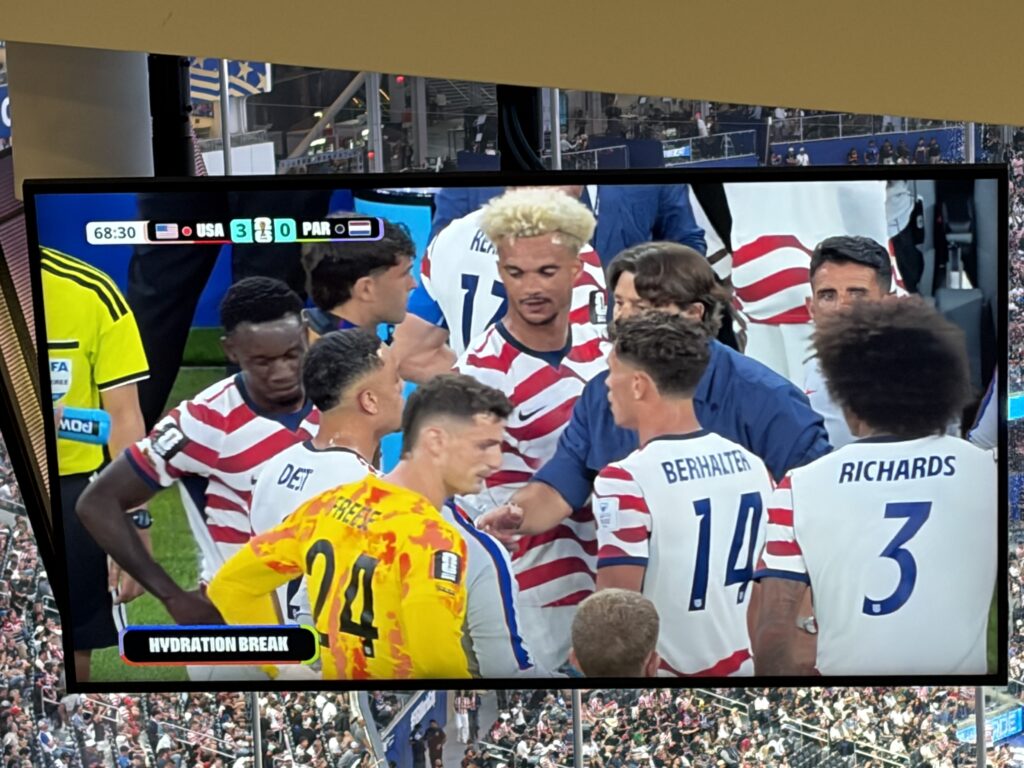
From the very first days of the tournament, several commentators have expressed their dissatisfaction with a measure that, they claim, ultimately benefits advertising slots and disrupts the natural flow of the matches.
For the 2026 World Cup, FIFA has determined that all matches will include two hydration breaks, one in each half, around the 22nd minute and lasting approximately three minutes. The measure will apply to all 104 matches in the tournament.
The main point of debate is that these breaks are no longer dependent on weather conditions. In previous editions, they were used only when temperatures posed a risk to the players. Now they are a fixed part of every match, regardless of the weather or the time of day.
Criticism has grown because the breaks were also taken during matches where the heat did not seem to be an issue. In addition to the opening match at the Estadio Ciudad de México, the situation repeated itself in the match between South Korea and the Czech Republic, played at night in Guadalajara.
Among the arguments raised by those who question the measure are the disruption of the game’s rhythm, the impact on tactical approaches, and the possibility that these breaks could end up becoming commercial slots for television networks.
For its part, FIFA maintains that the so-called “cooling breaks” are a preventive measure based on recent experiences, particularly following reports from the 2025 Club World Cup held in the United States, where several players cited difficulties related to high temperatures.
The controversy is just beginning. As the World Cup progresses, it will be the matches themselves and the reactions of players, coaches, and fans that will determine whether these breaks end up being a necessary measure or a change that many consider an unnecessary interruption of traditional soccer.