
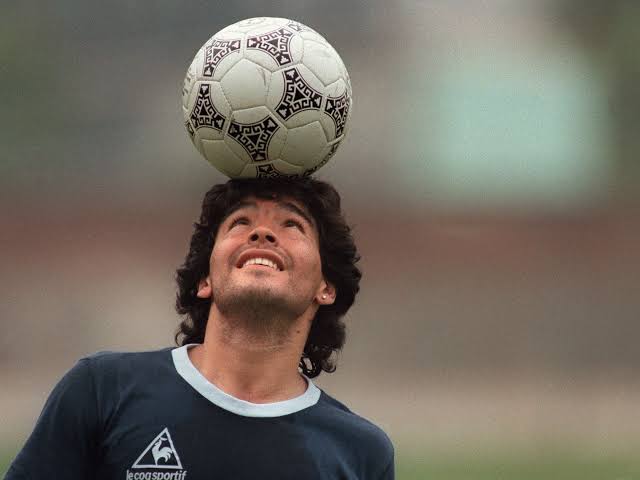
The trial over the death of Diego Armando Maradona will see another key day today, August 18. The legal proceedings, which aim to determine what happened during the Argentine soccer icon’s final days, will continue with testimony from two experts who were part of the Interdisciplinary Medical Board established in 2021.
Appearing before the court will be Carlos Damín, professor of Clinical Toxicology at the University of Buenos Aires School of Medicine and head of the Toxicology Department at Fernández Hospital, and Hernán Trimarchi, professor of Medicine at the Argentine Catholic University and head of the Nephrology Department at the British Hospital of Buenos Aires.
Both could provide important insights into Maradona’s state of health before his death and the symptoms that, according to the experts who have already testified, would have required more intensive medical care.
The Medical Board: A Key Element of the Trial
The Interdisciplinary Medical Board was created in 2021 to analyze the circumstances surrounding the former soccer player’s death.
The panel consisted of medical examiners and specialists from various fields, including cardiology, psychiatry, toxicology, nephrology, and hepatology, as well as expert witnesses representing both the defense and the plaintiffs Their analysis became one of the main pieces of evidence in the trial currently involving seven healthcare professionals.
The warning signs shown by Maradona
The medical testimonies began on August 11 with Carlos Mauricio Cassinelli, the board’s coordinator.
During his testimony, the specialist stated that in his final days, Maradona exhibited several signs consistent with heart failure which, in his view, should have been monitored. Among the symptoms mentioned were leg swelling, shortness of breath, high blood pressure, tachycardia, and issues related to fluid retention. But there was another point that drew particular attention.
Cassinelli stated that there was no doctor effectively in charge of monitoring the patient’s condition, even though neurosurgeon Leopoldo Luque and psychiatrist Agustina Cosachov were involved in Maradona’s home care.
A cardiologist also spoke of “warning signs”
Two days later, it was cardiologist Gustavo Di Niro’s turn to testify; he is also a member of the Medical Board. His testimony followed a similar line, noting that Maradona had exhibited various signs that could be consistent with heart failure. The specialist explained that the presence of certain symptoms should have led the medical team to consider that the patient’s condition might be worsening.
“When you see these signs, you have to consider that the patient may be experiencing heart failure,” he said during his testimony.
Fluid retention, breathing difficulties, and changes in level of consciousness are among the factors that will now be reviewed from the perspectives of toxicology and nephrology.
Seven professionals remain on trial
Diego Maradona died on November 25, 2020, while under home care following neurosurgery.
Currently, seven medical professionals are on trial for their alleged responsibility in his death: Leopoldo Luque, Agustina Cosachov, Carlos Díaz, Nancy Forlini, Pedro Di Spagna, Mariano Perroni, and Ricardo Almirón.
All are charged with manslaughter with eventual intent and have maintained their innocence.
The trial is thus entering a particularly important phase. The testimony from medical experts seeks to establish not only what illnesses or complications Maradona had, but also whether the symptoms he exhibited during his final days should have prompted a change in his medical care.
As the testimony continues, the court will have to determine the extent of the responsibility of those involved in caring for the Argentine soccer star during his final moments.