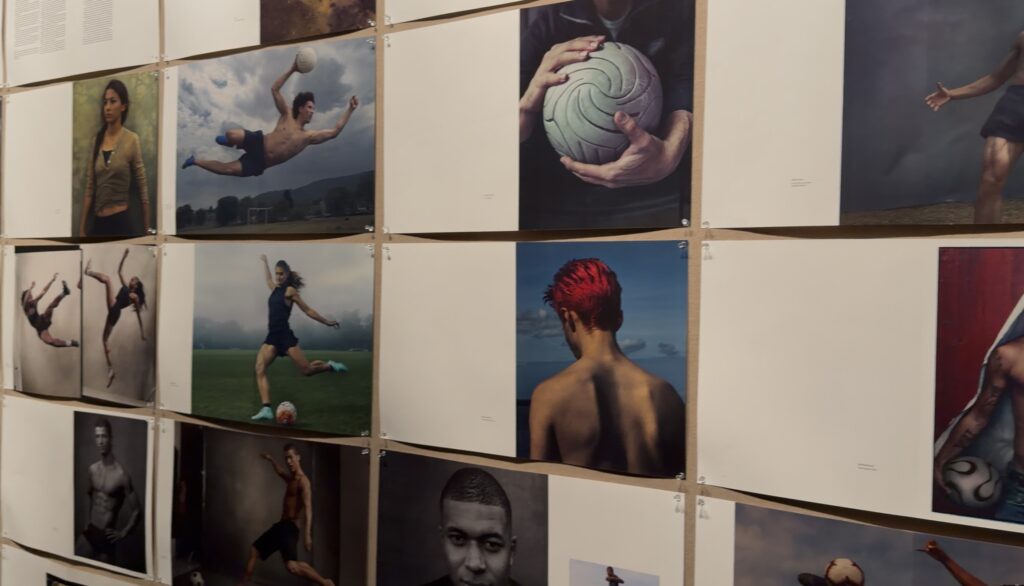

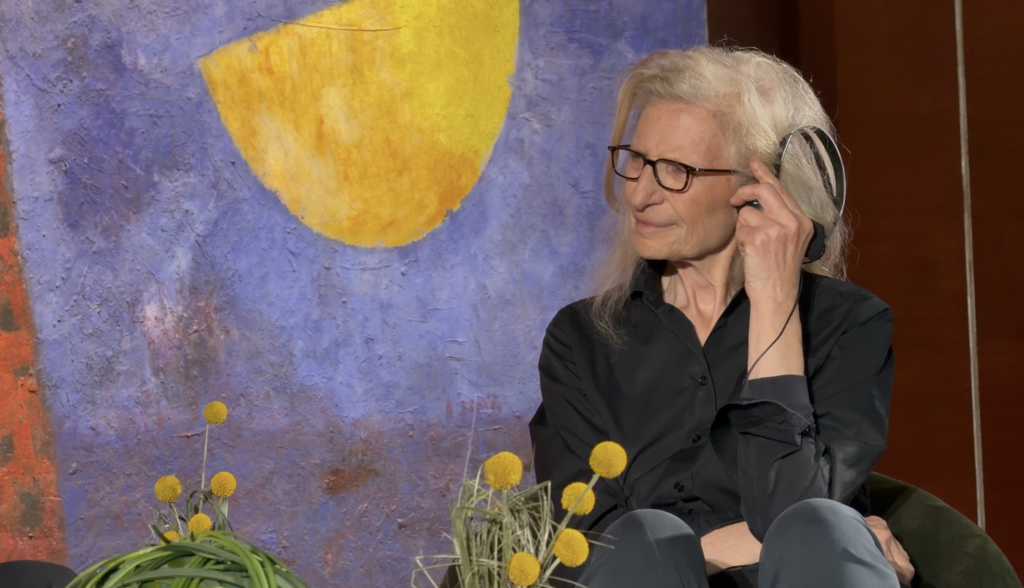
With just a few days to go before the start of the 2026 FIFA World Cup, the National Museum of Anthropology and History in Mexico City opened its doors to “Futbol 2026,” an exhibition by renowned American photographer Annie Leibovitz that brings together historical and contemporary images of some of the most iconic figures in world soccer.
The exhibition was officially inaugurated in the presence of Leibovitz herself, along with representatives from the foundations that supported the project and officials from the cultural venue. The exhibition will be open to the public from June 9 to August 30.
With more than 130 pieces, the collection offers a visual journey through different generations of soccer. Among the images are portraits of figures such as Pelé, David Beckham, Cristiano Ronaldo, Kylian Mbappé, as well as Mexicans Guillermo Ochoa, Edson Álvarez, and Israel Reyes.
One of the most striking moments of the presentation was when Leibovitz recalled the story behind one of the exhibition’s most iconic photographs: an image of Pelé’s feet captured in 1981 during a soccer camp in New York. The photographer recounted how the Brazilian decided to take off his shoes for the session, reminiscing the days when he played barefoot during his childhood.
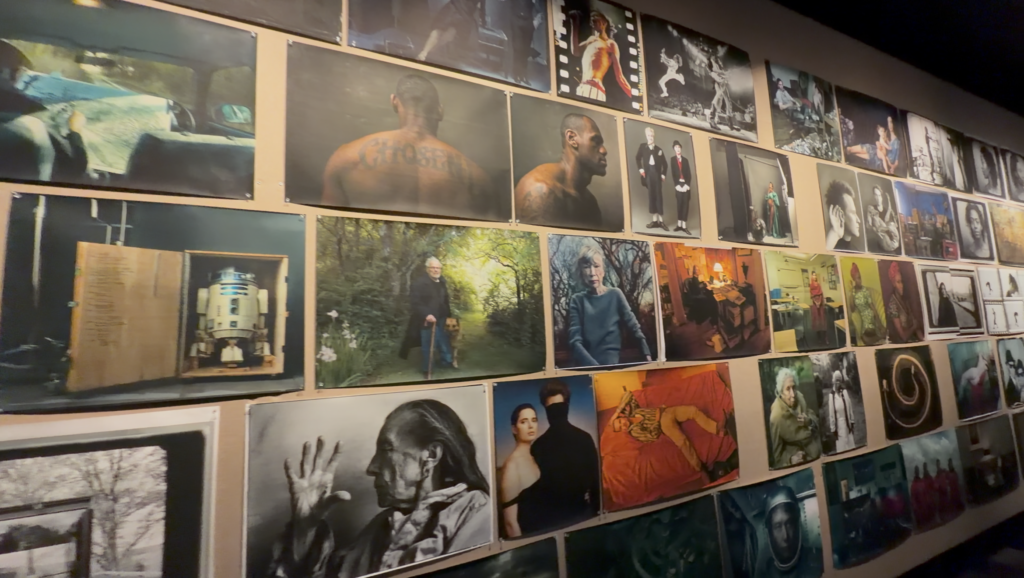
The exhibition also includes the iconic images Leibovitz took for the 1986 World Cup in Mexico at locations such as Teotihuacán, as well as a project that connects modern soccer with pre-Hispanic artifacts linked to the Mesoamerican ballgame.
During the opening, the photographer recalled the profound impact Mexico had on her from her very first visit. She highlighted the passion for soccer that exists in every corner of the country and asserted that there is hardly any other place where this sport has such a close connection to people’s identity.
Beyond the players and the stadiums, Leibovitz explained that she intended to portray the human side of the game’s protagonists. In her images, soccer players are transformed into characters who convey strength, sensitivity, history, and emotion — elements that, in her view, explain the cultural dimension of the sport.
Housed in one of the country’s most important venues, “Futbol 2026” stands out as one of the most notable cultural events leading up to the World Cup. It will serve as an exhibition that brings together history, art, and soccer through the lens of one of the world’s most influential photographers.