
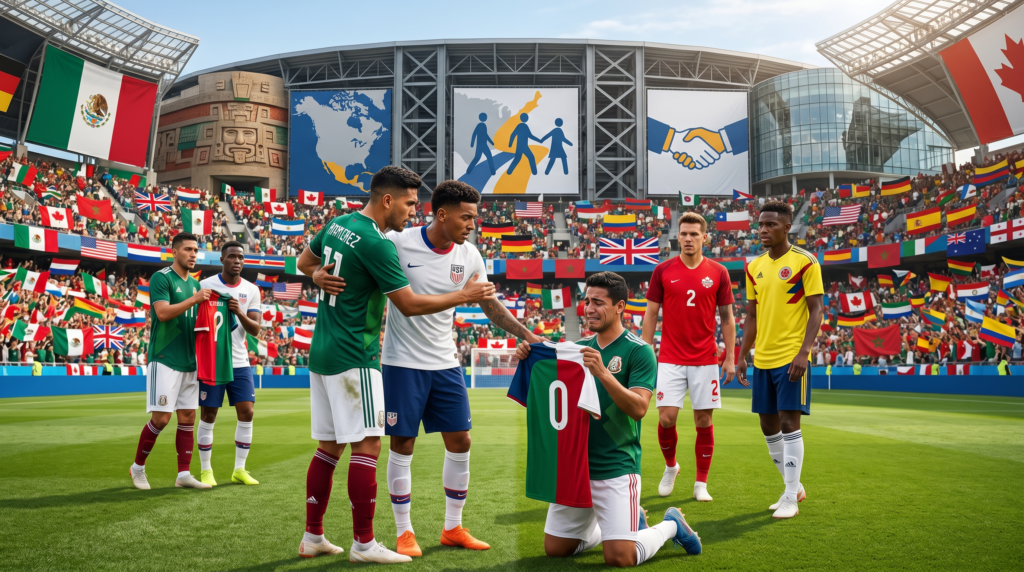
Almost every match in the 2026 North American World Cup holds a profound story of identity, migration, and heart-wrenching decisions. The tournament, held in the United States, Mexico, and Canada, has established itself as the greatest cultural melting pot in the competition’s history, where dozens of football players have had to choose between the land of their birth, the country where they grew up, or the homeland of their ancestors.
The Weight of Roots and the Goals of Destiny
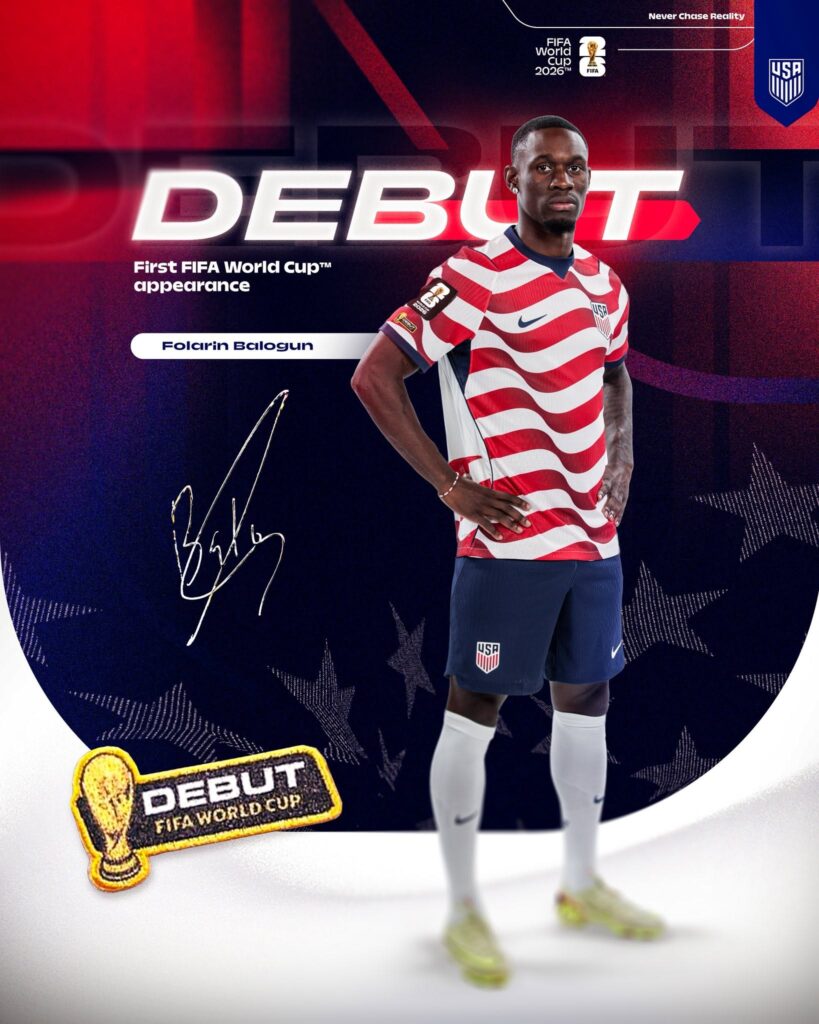
The drama of these life-changing decisions has played out on the field with an almost cinematic script. Take the case of Folarin Balogun, who scored a brace in the United States’ victory over Paraguay. Balogun faced a three-way crossroads: playing for England (where he grew up), for Nigeria (his parents’ homeland), or for the United States, the country where he obtained citizenship by birthright while his parents were visiting. Ultimately, he chose the Stars and Stripes, motivated by the overwhelming support of American fans.
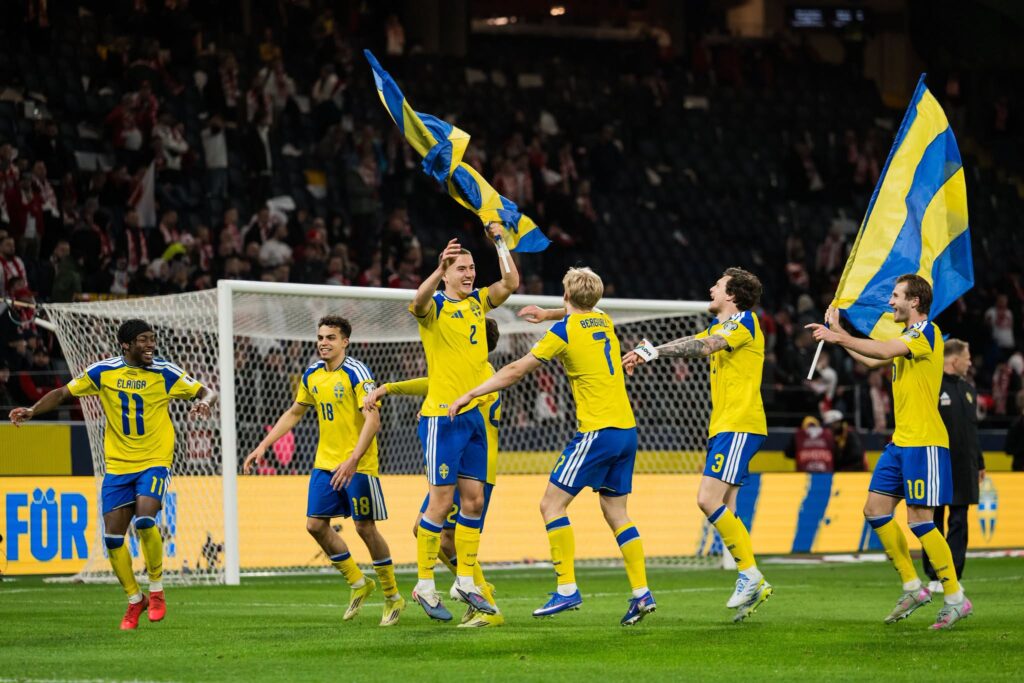
Photo: Joel Marklund / BILDBYRÅN / kod JM / JM0814
Even more emotional and complex is the case of Yasin Ayari. The midfielder chose to represent Sweden over Tunisia, his father’s native country. A twist of fate pitted him against the North African squad in his World Cup debut. Ayari scored two of the goals in Sweden’s crushing 5-1 victory, but he chose not to celebrate out of respect for his heritage. Interestingly, it was his father who encouraged him to play for the European team: “I am an immigrant, but my children are not. I want him to play for Sweden because I want him to give something back to the country that took care of him,” his father said.
The French “factory” and separated families
Decades of migration have completely reshaped the rosters, a phenomenon facilitated by FIFA’s relaxation of eligibility rules in 2020. The statistic is staggering: nearly 100 players in this World Cup were born in France, but only 23 are representing the French national team. The rest form the backbone of teams such as Morocco, Algeria, Ivory Coast, Ghana, and Haiti.
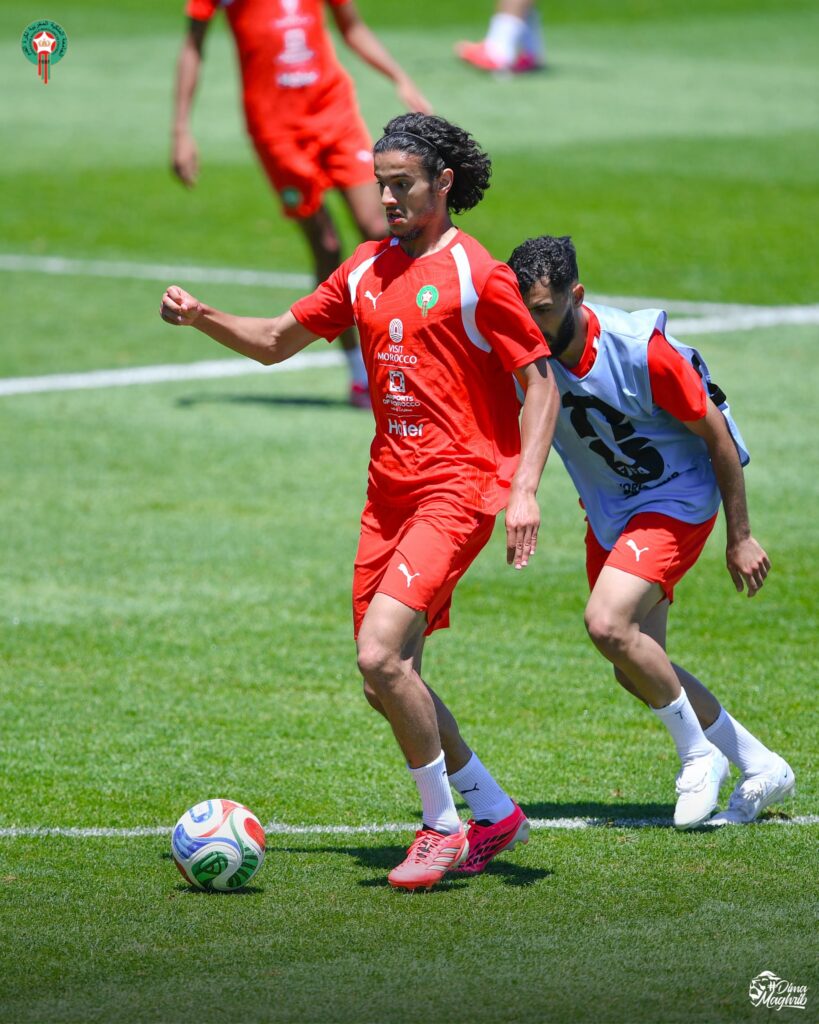
A perfect example is Ayyoub Bouaddi. The 18-year-old rising star was captain of France’s U-21 team just a few months ago, but weeks before the World Cup began, he decided to switch sides to represent Morocco, immediately shining in his team’s draw against Brazil.
This hyper-globalization of talent has also led to a family drama on the world stage: the separation of brothers. The 2026 World Cup is witnessing how brothers of the same blood defend different national teams. The Doué brothers have gone their separate ways (Désiré for France and Guéla for Ivory Coast), joining famous cases such as the Williams brothers (Nico for Spain and Iñaki for Ghana) and the Souttar brothers (John for Scotland and Harry for Australia).
Today, the World Cup demonstrates that modern football is the truest reflection of a world in constant flux, where players no longer follow only their passport, but their heart, their heritage, or their athletic ambition.