

Major League Soccer continues to solidify its growth on the global stage. Ahead of the 2026 FIFA World Cup, the North American league set a new record by contributing 44 active players to the official rosters of participating national teams, making it the competition with the most representatives from the Western Hemisphere in the tournament.
The figure confirms the increasingly important role MLS plays in international soccer, not only as a destination for established stars but also as a development platform for talents who will now compete in the sport’s premier event.
More than 100 World Cup players have played in the MLS
The league’s impact extends far beyond the players currently on its clubs’ rosters. In total, 103 players called up for the 2026 World Cup have played for MLS teams at some point, a statistic that reflects the growth and influence the competition has gained in recent years.
In addition, 42 of those players were developed within the league’s ecosystem, either through affiliated academies or via the MLS NEXT Pro structure, one of the most ambitious development projects in North American soccer.
Lionel Messi and several stars lead the representation
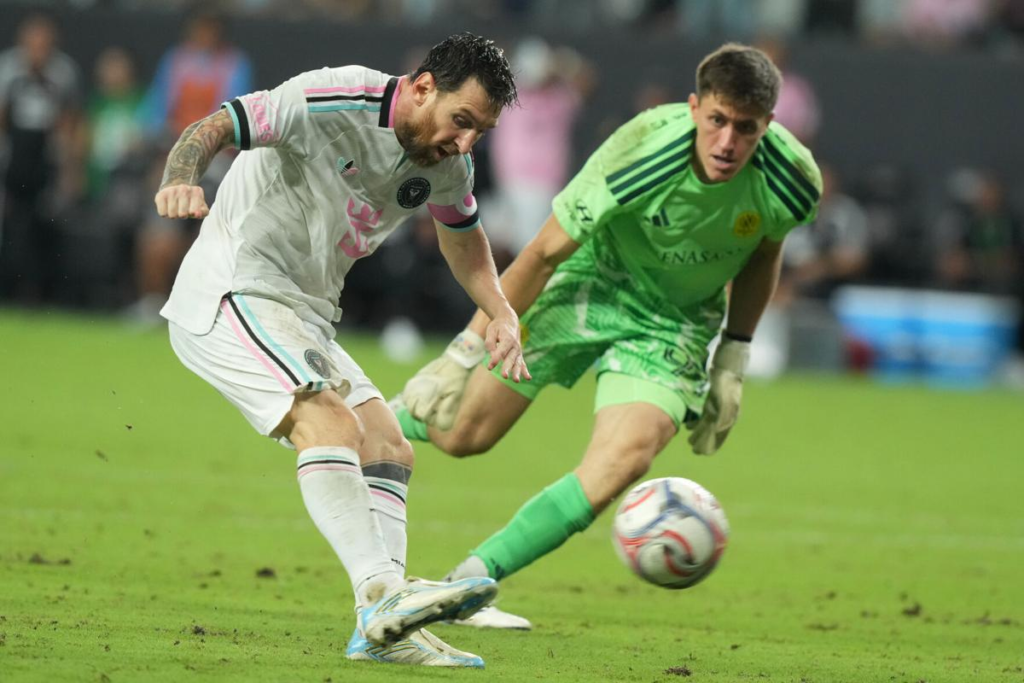
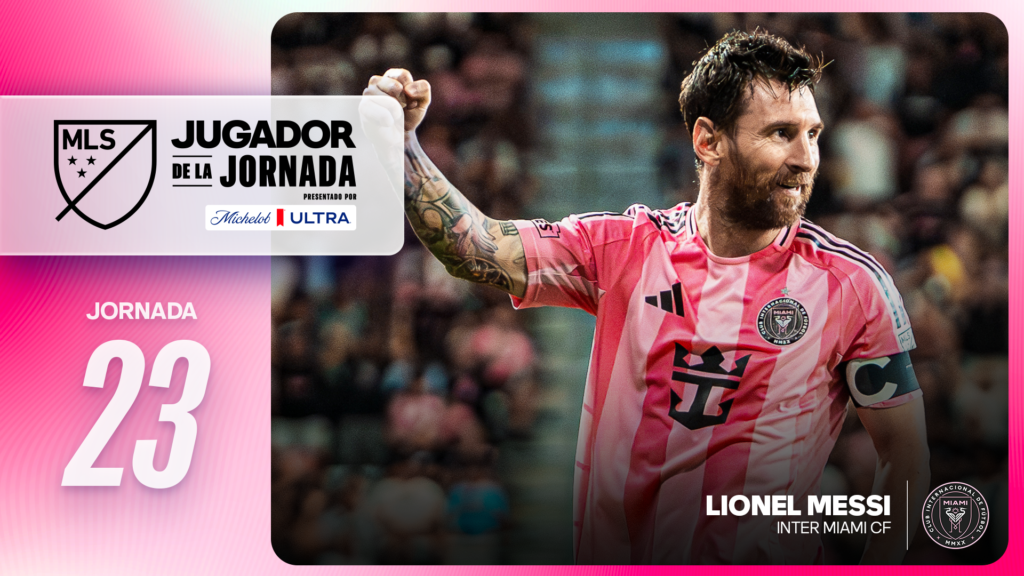
Among the most prominent figures currently playing in MLS who will be at the World Cup are international stars such as Lionel Messi and Rodrigo De Paul, both members of Inter Miami CF. Also featured are stars such as James Rodríguez (Minnesota United FC), Miguel Almirón (Atlanta United FC), and Son Heung-Min (LAFC).
The presence of these stars confirms that the league continues to attract players with experience in the world’s top competitions.
LAFC Leads the Way in Player Representation
Among MLS clubs, Los Angeles FC tops the list with four players called up for the World Cup.
In total, 21 different clubs from the league will be represented in the competition, a figure that surpasses any other league on the planet in terms of the diversity of teams contributing players. The 44 MLS players will be spread across 17 national teams from six different confederations, demonstrating the league’s global reach.
The success of MLS NEXT and MLS NEXT Pro
One of the aspects the organization highlights most is the impact of its development programs. Of the 42 players developed within the MLS ecosystem, 19 went through MLS NEXT Pro before making World Cup squads.
The development of players like Alex Freeman, Rayan Elloumi, and Esmir Bajraktarević represents a historic milestone for the league, as they became the first players to progress through the entire development structure from MLS NEXT to a World Cup call-up.
Since its launch in 2022, MLS NEXT Pro has established itself as a key component in the development of new talent.
The United States and Canada, driven by MLS
The league’s growth is also reflected in the host nations’ national teams.
Of the 52 players called up from the United States and Canada to compete in the 2026 World Cup, 79% have some connection to MLS, either through having played professionally in the league or having been trained in one of its academies. For the first time in history, half of the rosters for both countries are made up of players who came directly from the MLS academy system.
Collectively, they have accumulated more than 3,000 regular-season games, over 300 goals, and multiple appearances in the MLS All-Star Game.
A league that continues to gain prominence
Just a few years ago, it was unthinkable that the MLS could compete in terms of numbers with many of the world’s top leagues at a World Cup. Today, with 44 active players in the tournament and more than a hundred players with a history in the competition, the reality is different.
The league’s influence continues to grow both within and beyond North America, driven by the arrival of international stars, the strengthening of its academies, and a development structure that is beginning to yield visible results on the world’s biggest soccer stage.
The 2026 World Cup will be a new opportunity to demonstrate that MLS is no longer just a growing league, but an increasingly significant player on the global soccer map.