
The 2026 World Cup is delivering plenty of excitement on the field, but for the Iranian national team, the world’s most important tournament has turned into a real ordeal. Far from the glamour and extreme comforts that usually surround World Cup delegations, the Asian team has spoken out to denounce oppressive conditions and what they consider unfair treatment by U.S. authorities.
“Exile” in Tijuana and the Impassable Border
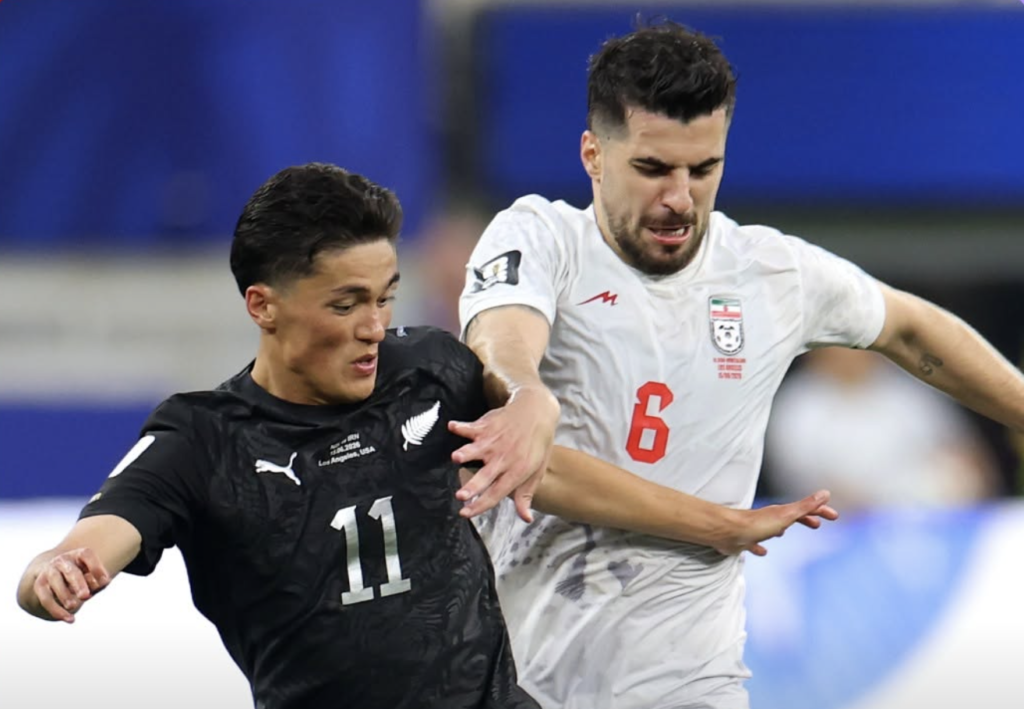
The heart of the problem lies in a diplomatic and logistical situation unprecedented in recent World Cup history. Faced with government restrictions, the Iranian delegation was forced to set up its base camp in Tijuana, Mexico. The major obstacle? The team is prohibited from staying in the United States. They are only allowed to cross the border on match days, forcing them to leave the country immediately after the final whistle.
No Time to Rest: The Drama After Playing in Los Angeles
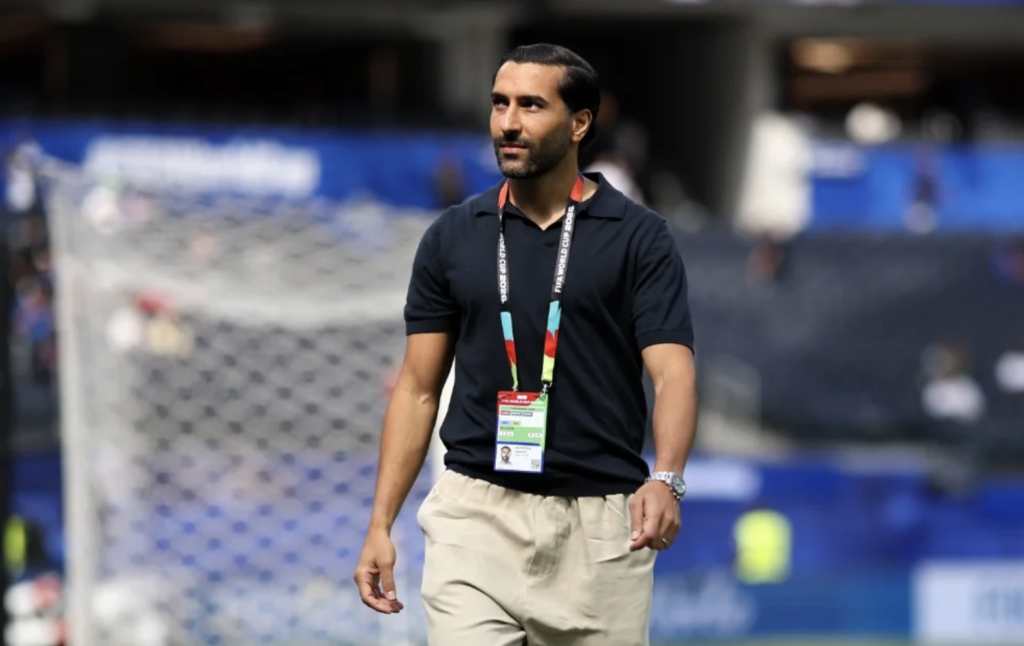
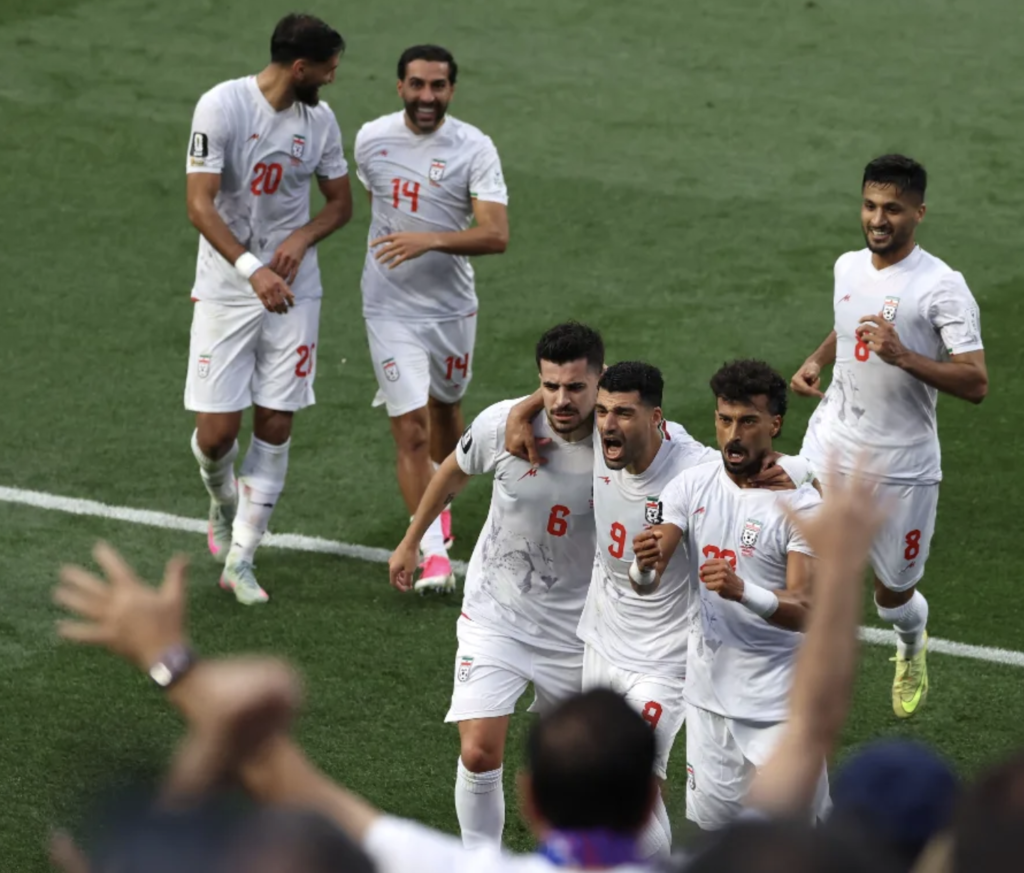
The brutal physical demands of this measure became evident after their debut match, a thrilling 2-2 draw against New Zealand at the majestic SoFi Stadium in Los Angeles. After such intense physical exertion, standard protocol dictates that players rest and spend the night in the host city to recover.
However, for Iran, the story was very different. They were required to pack up in the early hours of the morning and immediately embark on an exhausting journey back to the Mexican border. Added to this physical strain are the exhaustive immigration checks, which have caused unnecessary delays, further undermining the players’ mental and physical condition.
“It’s a total disaster”: Mehdi Taremi’s outburst
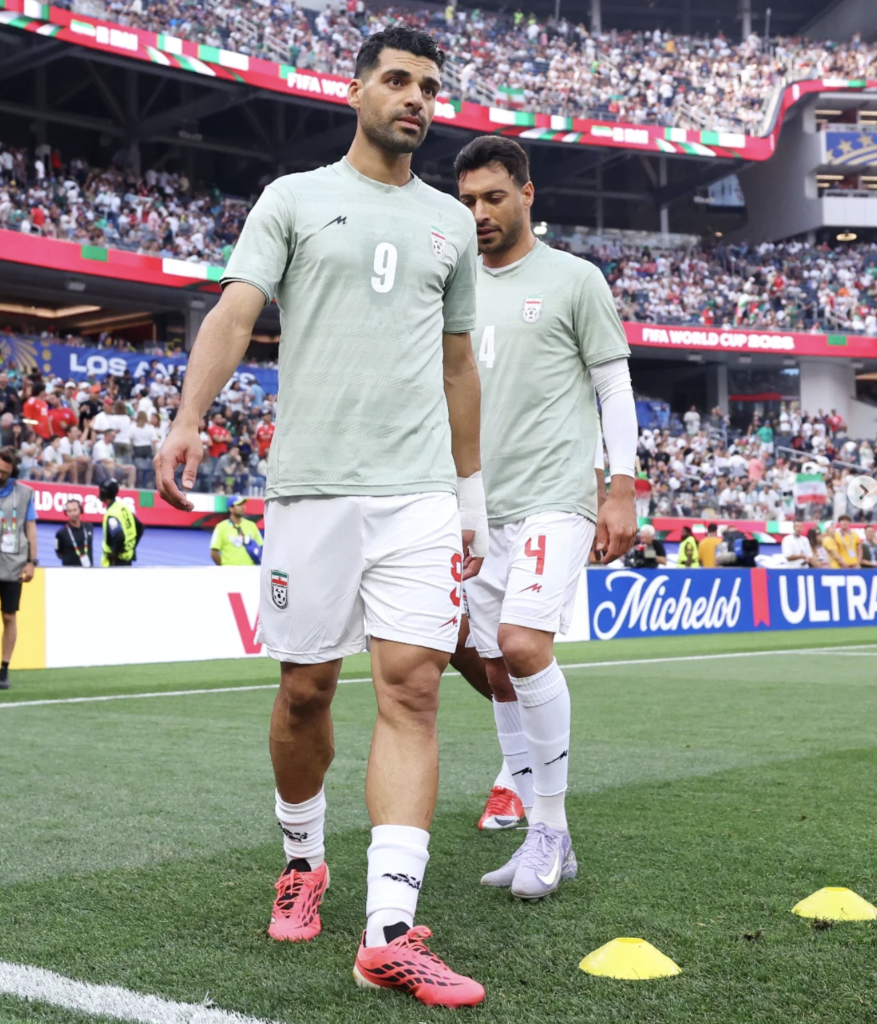
Mehdi Taremi, an Olympiacos forward and the star of the Iranian national team, could not hide his outrage when speaking to the media. “It’s a total disaster for us,” the striker declared, making it clear that these restrictions put them at a distinct sporting disadvantage. It’s impossible to compete at the highest level in a World Cup when the minimum conditions for recovery and rest, which the other 47 participating teams do have, aren’t guaranteed.
To make matters worse, the team is operating at half strength. So far, the U.S. government has denied visas to at least 14 members of the coaching and management staff, leaving the national team coach without key members of his staff.
FIFA Steps In
Faced with the looming crisis that threatens to undermine the fairness of the tournament, FIFA President Gianni Infantino personally visited the Iranian locker room after the match against New Zealand. The president expressed his solidarity with the players’ frustration and pledged to intercede at the highest level with the U.S. government to resolve the visa issue.
While the bureaucracy plays its own game behind the scenes, the Iranian national team is trying to stay focused on the purely sporting aspects of the tournament. For now, their toughest and most exhausting opponent in this 2026 World Cup isn’t wearing soccer shorts; it’s wearing an immigration uniform.